

What Your Skin Barrier Needs This Winter (And How to Support It)
Your skin barrier is what keeps you comfortable. When it’s functioning well, your skin holds onto moisture, doesn’t react to every environmental change, and feels soft. When it’s stressed, moisture escapes constantly, irritation sets in faster, and that tight, uncomfortable feeling becomes your new normal.
Winter creates specific challenges for your barrier. Understanding what those challenges are and what your barrier actually needs to address them changes everything about how you care for your skin.
The science might sound dense at first. Understanding how your barrier works gives you the tools to make informed choices for your own skin. These concepts build on each other, and they’ll start to click as you read through. Take your time with it.
The Structure of Your Barrier
Your skin barrier is the outermost layer of your skin, called the stratum corneum. It’s approximately 10-20 cell layers thick and consists of corneocytes (dead skin cells) embedded in a lipid matrix.
Think of it like a brick wall. The corneocytes are bricks. The lipids are the mortar holding everything together.
These lipids are primarily three types: ceramides (about 50% of the lipid content), cholesterol (about 25%), and free fatty acids (about 15%). This specific ratio matters. These three lipid types work together to create a structure that’s both protective and flexible.
The ceramides form organized layers (called lamellar bilayers) that create a barrier to water loss. The cholesterol fills gaps between ceramide layers and provides fluidity. The free fatty acids help maintain the slightly acidic pH of your skin’s surface (around 5.5), which is important for barrier function and microbial balance.
When this structure is intact, your barrier performs two essential functions:
First, it prevents transepidermal water loss (TEWL). Water naturally wants to move from areas of high concentration (inside your body) to areas of low concentration (the outside air). Your barrier slows this process dramatically. Without it, you would dehydrate rapidly.
Second, it protects against environmental stress: pollutants, irritants, microbes, UV radiation. The lipid matrix creates a physical barrier, while the slightly acidic pH creates a chemical barrier that inhibits the growth of harmful bacteria.
This is your barrier when it’s functioning optimally. In winter, specific environmental factors disrupt this function.

What Changes in Winter
Cold air holds less water vapor than warm air. This is basic physics. The colder the air, the lower its capacity to retain moisture. When you step outside into cold air, that air immediately begins pulling water from any available source, including your skin’s surface.
Your barrier tries to prevent this water loss, but it’s fighting against a concentration gradient. Water wants to move from your hydrated skin to the dry air. Your lipid matrix slows this process, but it can’t stop it entirely.
Then you come indoors where heating systems have reduced the relative humidity to levels comparable to desert environments. Many indoor spaces in winter have humidity levels below 20%, sometimes as low as 10%. Your skin loses water to indoor air just as rapidly as it does to outdoor air.
The constant cycling between cold outdoor air and dry indoor air means your barrier never reaches equilibrium. It’s constantly losing water and trying to compensate.
But there’s another factor: temperature affects lipid behavior.
The lipids in your barrier have a specific crystalline structure at body temperature. They’re organized but fluid enough to maintain flexibility. When your skin surface temperature drops (which happens rapidly in cold air), these lipids become less fluid. They don’t flow as easily around the corneocytes. This reduced fluidity can create microscopic gaps in the lipid matrix.
These gaps allow for increased transepidermal water loss. They also make your barrier more permeable to irritants. This is why skin becomes more sensitive in winter. Your barrier isn’t maintaining its protective function as effectively.
Additionally, cold temperatures slow down the enzymatic processes that synthesize new lipids and shed old corneocytes. Your barrier’s natural renewal process becomes less efficient precisely when it’s under the most stress.
The result: accelerated water loss, increased sensitivity, that tight uncomfortable feeling, flakiness (from corneocytes that aren’t shedding properly), and sometimes redness (when your barrier can’t adequately protect against environmental irritants).
This is barrier stress. And it requires specific kinds of support.
Hydration: More Than Just Water
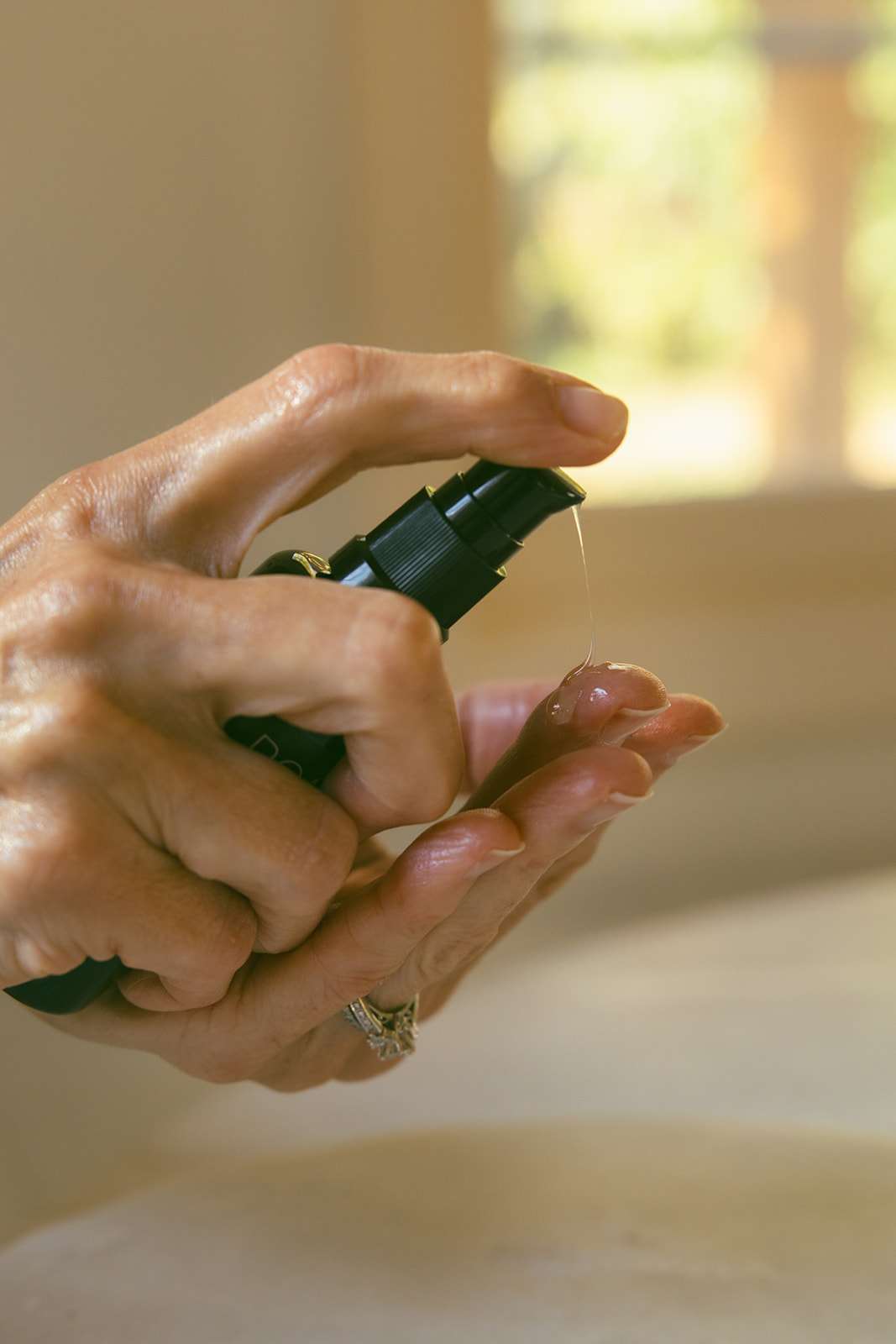
Your barrier needs water before it can use anything else. But water that sits on your skin’s surface and evaporates doesn’t help. You need molecules that can pull water into your skin’s layers and hold it there. That’s why we made Reishi Tide Serum.
Hyaluronic Acid: Molecular Weight Matters
Hyaluronic acid (HA) is a glycosaminoglycan, a long chain of repeating sugar molecules that naturally exists in your skin. It’s classified as a humectant, meaning it attracts water molecules and binds them.
One hyaluronic acid molecule can hold up to 1,000 times its weight in water. But the molecular weight of HA determines where and how it works.
High molecular weight HA (800-1,500 kDa) cannot penetrate the stratum corneum. It stays on your skin’s surface where it creates a moisture-retaining film. This film both holds water at the surface and helps prevent transepidermal water loss.
Low molecular weight HA (20-300 kDa) is small enough to penetrate into the deeper layers of the stratum corneum and even into the epidermis below. Here it binds water at a cellular level, plumping the skin from within and supporting the function of cells that produce lipids and structural proteins.
We use a combination of molecular weights specifically for this reason. The large molecules create surface protection. The small molecules deliver deep hydration. Together, they address multiple levels of barrier need.
Red Algae: Structural Support
Red algae from Pacific waters contains high concentrations of sulfated polysaccharides, particularly carrageenans. These are long chains of galactose (a type of sugar) with sulfate groups attached.
Sulfated polysaccharides have multiple functions. They bind water effectively (acting as humectants like HA but with different binding mechanisms). They’ve been shown in studies to support the synthesis of collagen and elastin in skin. They also contain antioxidant compounds.
In practical terms, red algae doesn’t just add moisture. It supports the structural integrity of the extracellular matrix (the network of proteins and molecules that gives skin its resilience). This matters in winter when that matrix is under stress.
Reishi Mushroom: Supporting Renewal
Reishi mushroom contains beta-glucans, polysaccharides made of glucose molecules linked in specific configurations. Beta-glucans have been extensively studied for their biological activity.
In skin, beta-glucans have been shown to support the activity of certain immune cells that play a role in skin health. They’ve been shown to encourage cell renewal, helping skin maintain its barrier function even under stress.
Reishi also contains triterpenes (specifically ganoderic acids) that are antioxidant compounds. These are particularly relevant in winter when environmental stress increases.
Douglas Fir Hydrosol: More Than Scent
Douglas fir hydrosol contains naturally occurring terpenes (aromatic compounds produced by conifers). While present in small concentrations, these terpenes have mild astringent properties that can help tone and refine skin texture.
The hydrosol also contributes to the overall water content of the serum, supporting the humectant action of the hyaluronic acid.
How to Use It:
Apply two pumps to freshly cleansed skin while your skin is still damp. This is critical. Hyaluronic acid works by binding to water. If you apply it to completely dry skin, it will pull moisture from your deeper dermal layers and bring it to the surface where it evaporates into the dry air. This is called the “drying effect” of HA and it’s counterproductive.
Apply to damp skin, and the HA binds to that surface water and pulls it into your stratum corneum where it can actually hydrate your barrier. The large-weight molecules create a film that prevents that water from immediately evaporating back out.
This is why application technique matters as much as the ingredient itself.
[Reishi Tide Hyaluronic Acid Serum]
 Lipids: Matching Your Barrier’s Structure
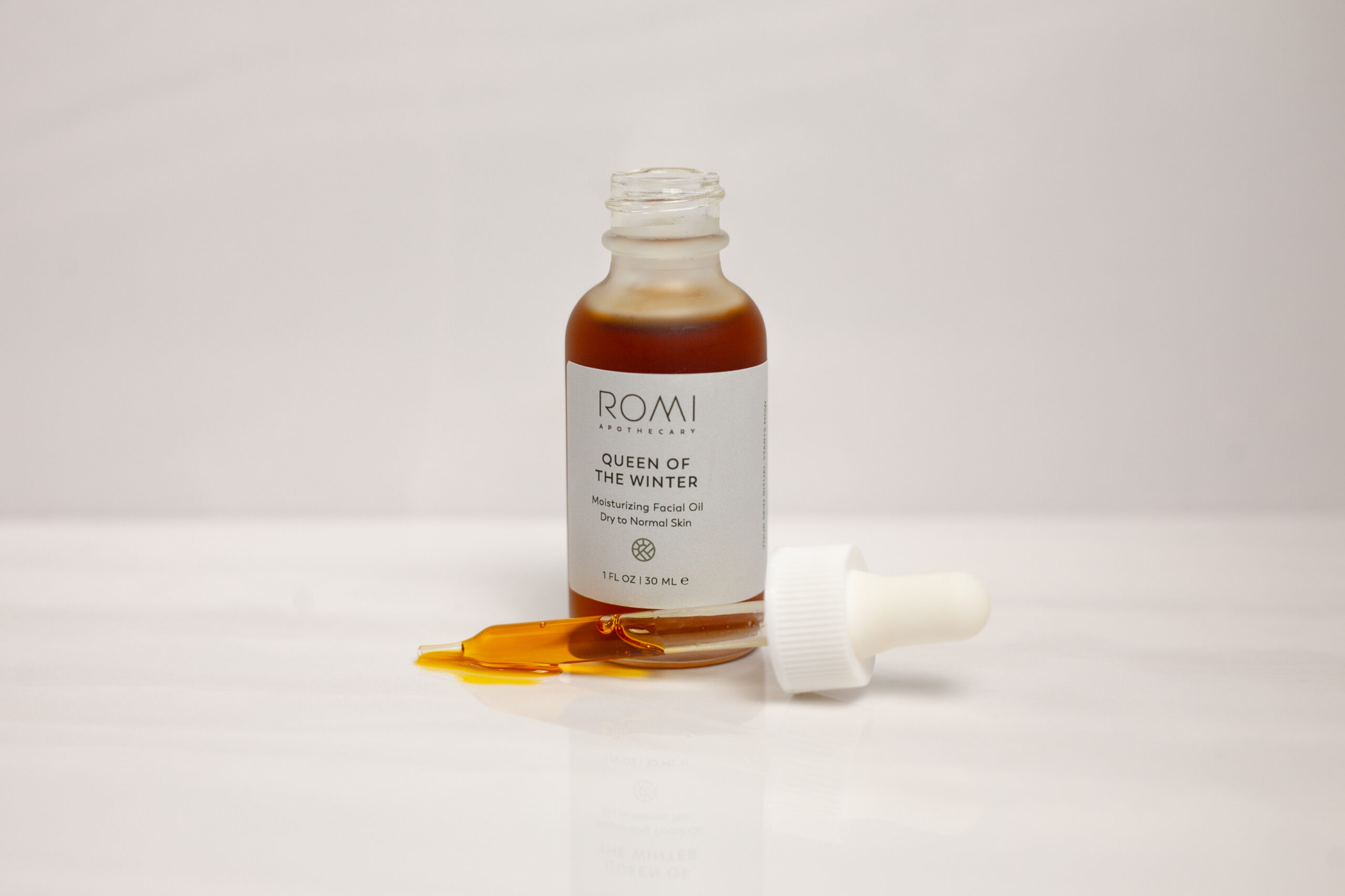
Once your barrier has water, it needs lipids to seal that hydration in and to support the lipid matrix structure itself. But lipid chemistry matters. Your barrier is selective about what it can use. Oils, like our Queen of Winter Oil, bring lipids to the skin.
Jojoba: Structural Similarity
Jojoba oil is technically not a triglyceride oil. It’s composed almost entirely of wax esters (approximately 97%). This is significant because human sebum, the oil your skin naturally produces, contains a high percentage of wax esters.
The fatty acid composition of jojoba (primarily eicosenoic acid and erucic acid) closely resembles the fatty acid profile of sebum. This structural similarity is why jojoba absorbs so readily. Your skin’s lipid matrix recognizes it as chemically similar to what it already contains. It integrates into the existing lipid structure rather than sitting on top as a separate layer.
Jojoba also contains vitamin E and phenolic compounds, which are antioxidants. In winter, when environmental stress increases, these compounds are particularly relevant.
Additionally, jojoba has been shown in studies to be non-comedogenic, meaning it doesn’t clog pores. Its chemical structure doesn’t trigger the mechanisms that lead to pore blockage.
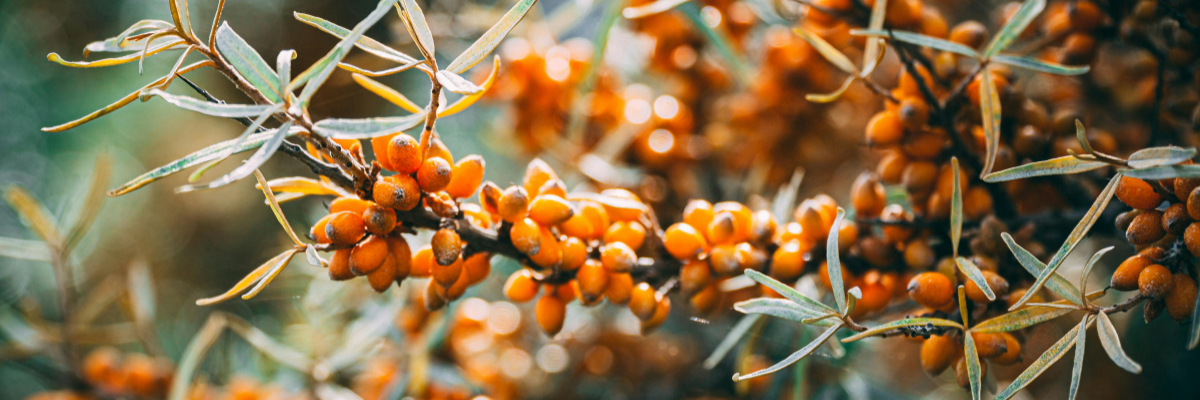
Sea Buckthorn: Rare Omega-7
Sea buckthorn berry oil is one of the few plant sources rich in palmitoleic acid, an omega-7 monounsaturated fatty acid. Palmitoleic acid is naturally present in human sebum, particularly in younger skin. Sebum production and palmitoleic acid content both decline with age.
Palmitoleic acid plays a role in lipid synthesis in skin. Studies have shown that supplementing it topically can support barrier function, particularly in mature or compromised skin.
Sea buckthorn also provides high concentrations of carotenoids (giving it that characteristic orange color). Carotenoids, particularly beta-carotene, are lipid-soluble antioxidants that integrate into your lipid matrix. Your skin can also convert beta-carotene to vitamin A (retinol) as needed, supporting cell turnover and barrier renewal.
The oil also contains tocotrienols (a form of vitamin E) and phytosterols. Phytosterols are plant compounds structurally similar to cholesterol. Remember that cholesterol makes up about 25% of your barrier’s lipid content. Providing phytosterols offers your barrier building blocks it can potentially use.
Cranberry Seed: Essential Fatty Acid Balance
Cranberry seed oil has an unusual fatty acid profile. It contains approximately equal amounts of omega-3 (alpha-linolenic acid) and omega-6 (linoleic acid) fatty acids, roughly 30-35% each.
Your body cannot synthesize (produce/make) omega-3 or omega-6 fatty acids. They’re called “essential” for this reason. But your skin needs them. They’re precursors to ceramides, the lipids that make up 50% of your barrier’s matrix.
The balance between omega-3 and omega-6 matters. Too much omega-6 relative to omega-3 can promote certain pathways in skin. Cranberry seed’s nearly 1:1 ratio provides both essential fatty acids in a balanced way that can support ceramide synthesis.
The oil also contains vitamin E and a unique combination of tocotrienols, which are antioxidant compounds.
Buriti: Pro-Vitamin A
Buriti fruit oil has one of the highest concentrations of beta-carotene found in any plant oil. Beta-carotene is a precursor to vitamin A. Your skin converts it to retinol as needed.
Vitamin A is known to support the differentiation of keratinocytes (the cells that become corneocytes in your barrier). It also supports lipid synthesis and the expression of genes involved in barrier function.
By providing beta-carotene rather than retinol directly, buriti allows your skin to regulate its vitamin A activity based on its needs, avoiding the potential irritation that can come with direct retinoid application.
Botanical Infusions: Active Support
The oils are infused for a lunar cycle with elderflower, marshmallow root, helichrysum, lavender, and rose. These aren’t fragrance additions. They contribute bioactive compounds.
Elderflower contains flavonoids (particularly rutin and quercetin) and phenolic acids. These compounds are known for soothing properties. When your barrier is stressed and your skin feels reactive, these compounds may help comfort skin.
Marshmallow root is exceptionally high in mucilage, a complex mixture of polysaccharides that forms a gel when hydrated. When applied to skin, mucilage creates a thin, protective film. This film has been shown in studies to help reduce transepidermal water loss. It also has soothing properties, calming irritated or sensitized skin.
Helichrysum contains compounds called chalcones and phloroglucinols that have been studied for their role in supporting the skin’s natural processes. In the context of barrier support, these compounds may help skin adapt to stress and exposure.
Lavender contributes linalool and linalyl acetate, compounds known for calming properties. Lavender also contains rosmarinic acid, a phenolic compound with antioxidant activity.
Rose contains geraniol, citronellol, and other monoterpene alcohols, along with phenolic compounds. These are antioxidant compounds. Rose also contains gallic acid, which is known for its antioxidant activity.
Together, these botanical extracts provide a complex mixture of compounds that support your barrier’s function under stress: soothing activity, antioxidant compounds, moisture retention, and support for natural renewal processes.
How to Use It:
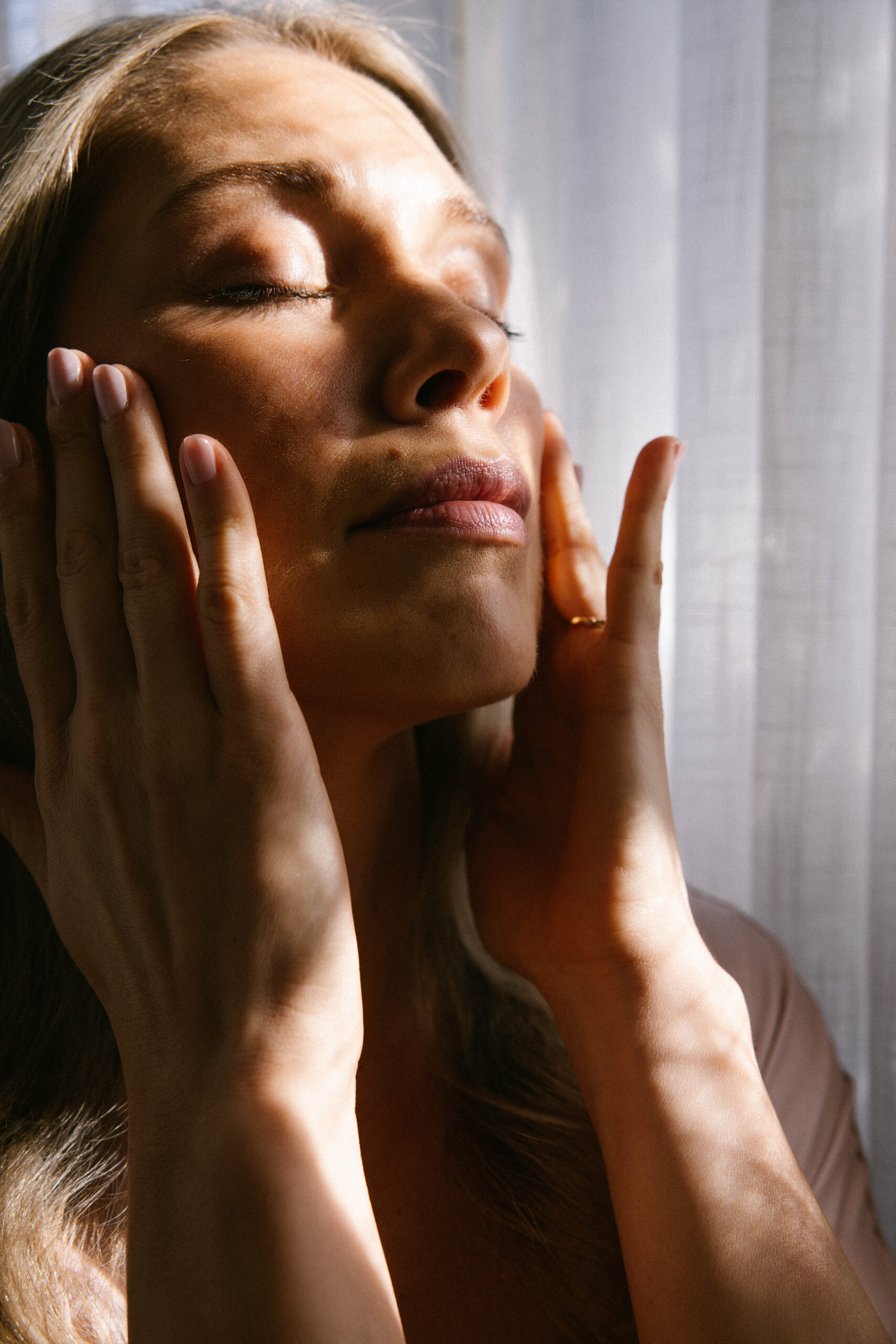
Apply to damp skin immediately after Reishi Tide Serum, while your skin is still slightly damp. Start with a dime-sized amount. Press the oil into your skin with your palms, then massage gently.
The sequence matters. Water first, then oil. The oil seals in that water layer, preventing it from evaporating. It also provides the lipids your barrier needs to maintain its matrix structure.
If you apply oil to completely dry skin, it sits more on the surface. Applied to damp skin, it integrates better and seals in that moisture.
Concentrated Protection: When Your Barrier Needs More
Sometimes your barrier needs more concentrated lipid support. Extended time in harsh conditions, wind exposure, skin that’s already compromised, or simply as intensive overnight support when your barrier does its deepest restoration work.
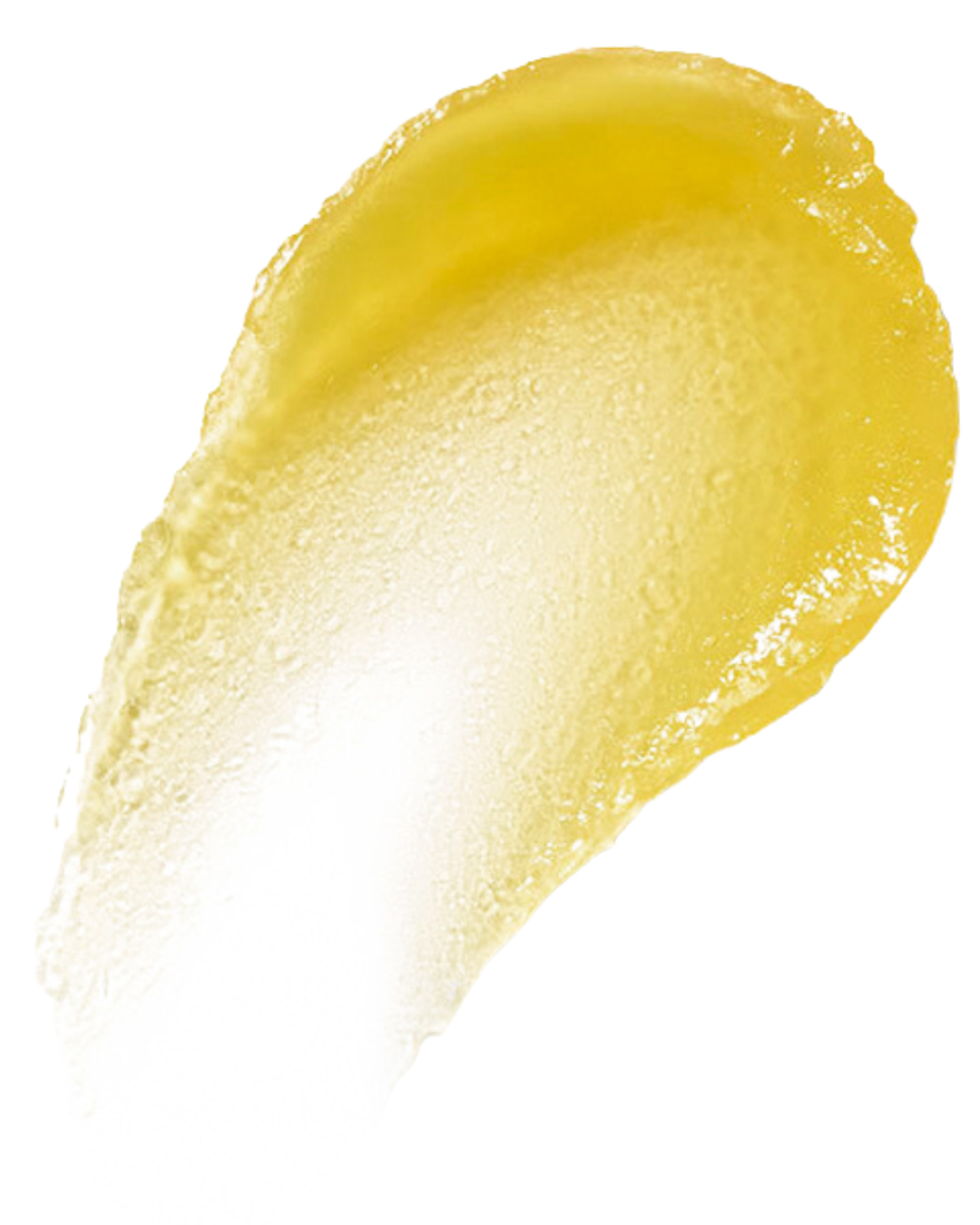
Queen of Winter Balm contains the same botanical oil base as Queen of Winter Oil but in a richer formulation combined with beeswax and higher concentrations of specific oils.
Beeswax: Occlusive Protection
Beeswax is composed of long-chain fatty acids, wax esters, and hydrocarbons. When applied to skin, it creates an occlusive barrier that significantly reduces transepidermal water loss.
Studies have shown that occlusive ingredients can reduce trans epidermal water loss by 50-75%, depending on the formulation and application thickness. This matters when your barrier is under stress and losing water rapidly.
But beeswax is semi-permeable rather than creating a complete seal. Your skin can still exchange some vapor (allowing it to “breathe”) while getting significant protection against water loss.
Beeswax also contains vitamin A and has natural properties that have made it useful in traditional skincare for centuries.
Pumpkin Seed Oil: Zinc and Phytosterols
Pumpkin seed oil is rich in zinc, an essential mineral that plays multiple roles in skin health. Zinc is involved in the synthesis of proteins and lipids. It is known for calming properties. And it’s been shown in studies to play a role in maintaining barrier integrity.
Pumpkin seed oil also contains high concentrations of phytosterols, particularly delta-7-sterols. These plant compounds are structurally similar to cholesterol, one of the three key lipids in your barrier’s matrix. Providing phytosterols offers your barrier building blocks that can integrate into its lipid structure.
The oil also provides vitamin E and carotenoids, which are antioxidant compounds.
Avocado Oil: Deep Penetration
Avocado oil has an unusually high percentage of oleic acid (omega-9 monounsaturated fat), typically around 60-70%. Oleic acid is a penetration enhancer. It temporarily increases the permeability of the stratum corneum, allowing other beneficial compounds to penetrate more deeply.
This is why avocado oil is often described as deeply nourishing. It doesn’t just sit on the surface. The oleic acid allows it (and other components in the formulation) to penetrate into the deeper layers of the stratum corneum.
Avocado oil also contains vitamins A, D, and E. Vitamin D plays a role in the differentiation of keratinocytes and the regulation of barrier function. Vitamin A supports lipid synthesis. Vitamin E is an antioxidant.
The Same Botanical Infusion
The balm contains the same infusion of elderflower, marshmallow root, helichrysum, lavender, and rose, providing the same complex mixture of soothing compounds, antioxidants, and skin-supporting botanicals.
How to Use It:
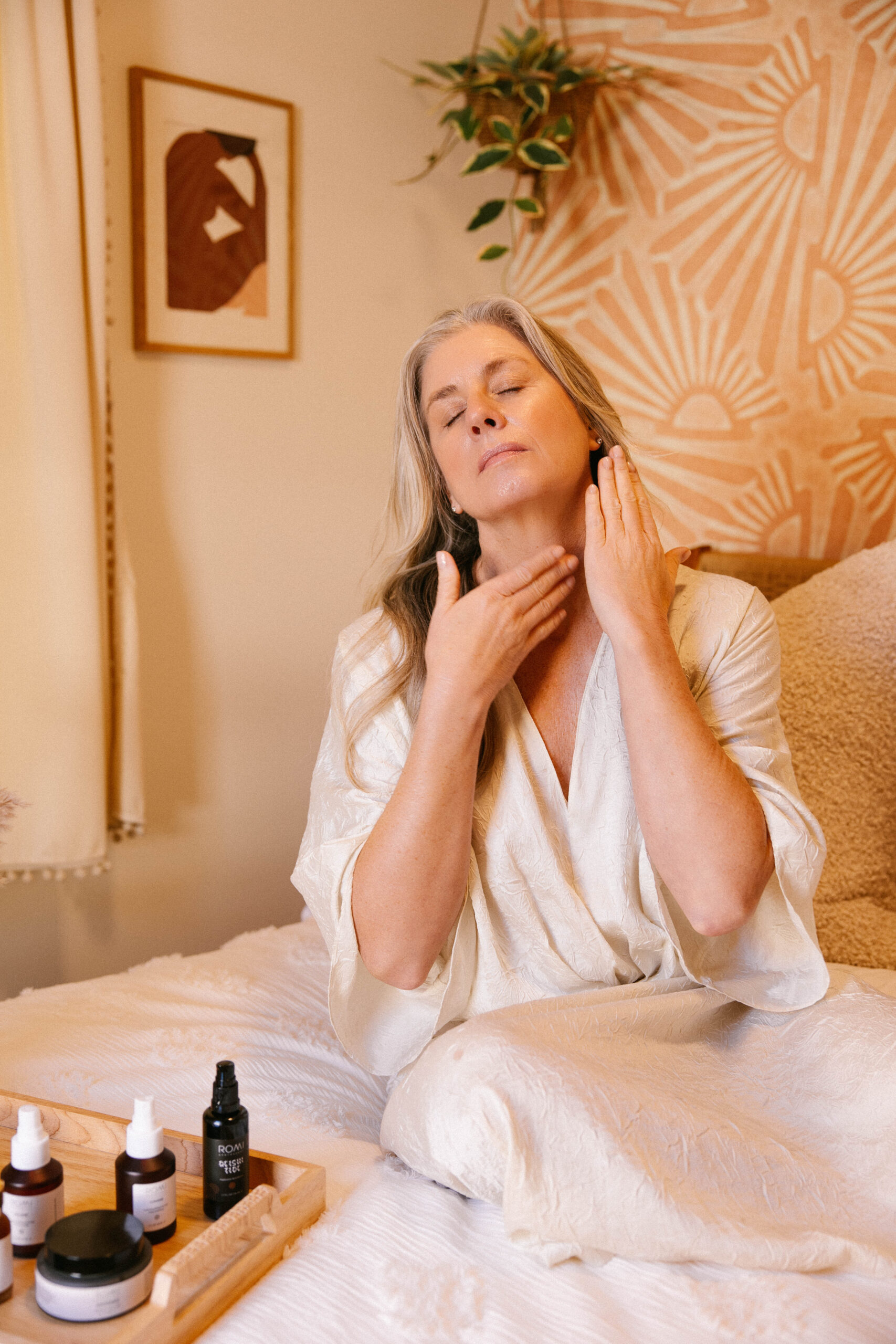
A pea-sized amount is sufficient for the entire face. Warm it between your palms until it becomes soft and pliable. Then press it into your skin as the final layer of your routine.
Focus on the areas that face the most exposure and stress: cheeks, nose, forehead, chin. These are the areas where your barrier typically becomes most compromised first.
If you’re heading outside into harsh wind or cold, apply an extra layer to these high-exposure zones before leaving. The balm creates a protective barrier that helps your skin maintain its moisture and withstand environmental stress.
At night, you can apply more generously to any areas that need intensive support. While you sleep, your skin’s renewal processes are most active. Providing concentrated lipid support during this time helps your barrier function optimally.
The Layering Sequence and Why It Matters
The order of application isn’t arbitrary. It’s based on how your barrier actually functions and what it needs.
Step One: Hydration
Your barrier needs water before it can effectively use lipids. The corneocytes in your stratum corneum need to be hydrated to function properly. When they’re dehydrated, they become rigid and the spaces between them widen, allowing for increased water loss.
Reishi Tide Serum delivers both immediate hydration (from the water content and humectants) and sustained hydration (from the hyaluronic acid binding and holding water over time).
Apply to damp skin. This ensures the hyaluronic acid has water to bind to and doesn’t pull moisture from your deeper layers.
Step Two: Lipid Support
Once your barrier has water, you need to seal it in and provide the lipids your barrier needs to maintain its structure.
Queen of Winter Oil delivers fatty acids and lipids that integrate into your barrier’s matrix. The botanical extracts provide compounds that support barrier function under stress.
Apply while skin is still slightly damp from the serum. The oil creates a layer that prevents the water from evaporating. It also allows any remaining dampness to continue being absorbed into your skin rather than evaporating into the air.
Step Three: Protective Seal (When Needed)
If your barrier is under extra stress, Queen of Winter Balm adds a richer concentration of lipids and creates a more occlusive barrier that significantly reduces water loss.
This isn’t needed every day for everyone. But when your barrier is compromised, when you’re facing extended exposure to harsh conditions, or simply as nighttime intensive support, the balm provides that extra layer of protection.
This sequence addresses what your barrier actually needs: water, then lipids that match its structure, then occlusive protection when needed.
Adapting to Your Skin’s Signals
Your barrier will tell you what it needs. Paying attention to these signals allows you to adapt your approach.
If your skin feels tight an hour after your routine:
You need more water first. Your barrier isn’t holding onto hydration effectively. Apply an extra layer or two of toner before your serum. Let each layer absorb before adding the next. Then apply serum to that damp skin, followed by oil.
If it’s still not enough, you may need the balm as a sealing layer even during daytime.
If products seem to sit on the surface without absorbing:
Try emulsifying them in your hands first. Put a few drops of oil in your palm, add a spritz of toner, rub your hands together to create a milky emulsion, then press into your skin. The water helps the oil spread and penetrate. The oil helps the water stay in your skin instead of evaporating.
If you’re seeing increased redness or sensitivity:
Your barrier is compromised. Simplify temporarily: cleanser, toner, serum, oil. Skip any active ingredients. Skip exfoliation. Let your barrier rest for a few days. The calming compounds in the botanical extracts (elderflower, helichrysum, lavender, rose) may help comfort skin.
Once your skin settles, you can add the balm back in for extra support.
If your skin looks dull despite moisturizing:
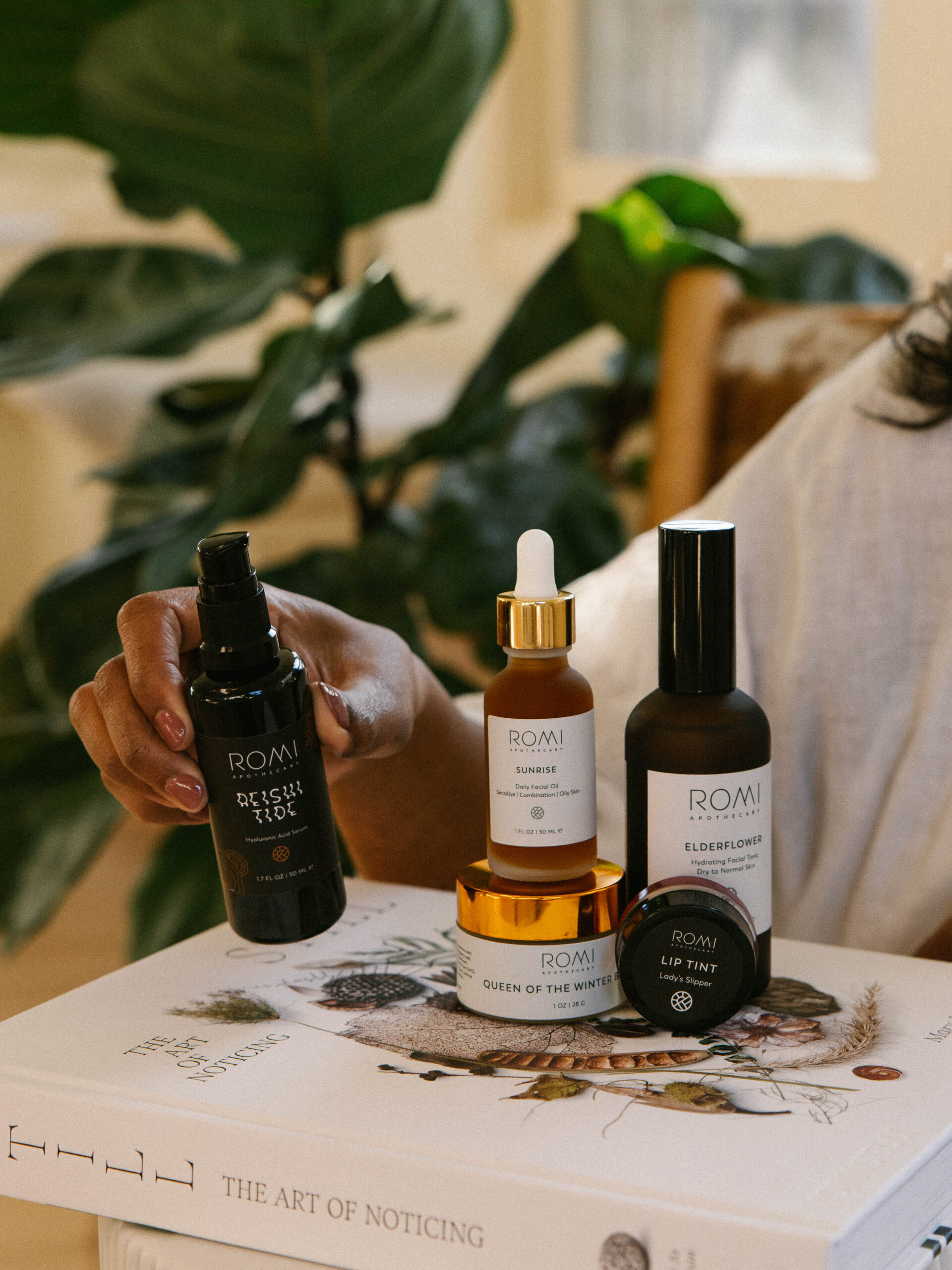
You may have a buildup of corneocytes that aren’t shedding properly (remember, cold slows down the enzymatic processes that regulate cell turnover). Gentle exfoliation with Ma’ema’e Face Polish once or twice a week can help remove this buildup and allow your hydrating products to penetrate effectively.
Mix the polish with toner for the perfect consistency, massage gently, rinse. This reveals the fresh skin beneath that can actually absorb and benefit from your barrier-supporting products.
What Understanding Changes
Understanding how your barrier actually works at the cellular level changes how you approach winter skincare. You’re not guessing anymore.
You know why hyaluronic acid needs damp skin. You know why jojoba integrates so well while some other oils sit on the surface. You know why the sequence matters. You know why some days need balm and others don’t.
You know what transepidermal water loss is and why it accelerates in winter. You know why your barrier’s lipids become less flexible in cold temperatures. You know why essential fatty acids matter and what role phytosterols play.
This knowledge gives you agency. You can read what your barrier is telling you and respond with what it actually needs.
You’re not following someone else’s routine. You’re understanding the mechanisms and adapting based on your barrier’s function.
That’s the difference between coping with winter skin and actually supporting it.
You enter 2026 with knowledge, with the right tools, and with skin that’s prepared for whatever comes next.
[Shop Reishi Tide Serum] | [Shop Queen of Winter Oil] | [Shop Queen of Winter Balm] | [Shop Winter Kit]