

What Winter Athletes Know About Skin (That Most People Don’t)
The reality of training in cold conditions
If you spend time, train or compete outside in winter, you’ve probably noticed something.
Your skin doesn’t just get dry. It gets compromised. It breaks down in ways that don’t happen during other seasons, and regular skincare doesn’t seem to help.
There’s a reason for that. And understanding what’s actually happening to your skin during winter activity changes everything about how you protect it.
The Physiology of Cold-Weather Athletic Skin
When you’re training or competing outside in cold weather, your skin faces a specific kind of stress that’s different from just “being cold.”
Reduced circulation
The cold itself reduces blood flow to your skin. Your body prioritizes keeping your core and vital organs warm, which means less blood reaching your face. Less blood flow means fewer nutrients and less oxygen reaching your skin cells. This is why your skin can look dull or grayish after winter training – it’s literally getting less of what it needs to function properly.
Extreme dehydration
Cold air holds almost no moisture. The colder it gets, the drier the air becomes. When you’re breathing hard during activity, you’re constantly exposing your face to air that’s actively pulling moisture out. It’s not surface dryness – your skin barrier is losing the water it needs to stay intact.
Wind exposure multiplies the damage
Even a light breeze during winter activity increases moisture loss exponentially. Wind chill isn’t just about feeling colder – it’s about how fast your skin is losing hydration and heat. Athletes training in windy conditions lose barrier function faster than those in still air at the same temperature.
Temperature cycling
Then you go inside. Into heated buildings, locker rooms, and cars with the heat blasting. That sudden temperature shift and exposure to dry indoor air continues the assault on your barrier. What felt like relief is actually more dehydration.
The compound effect
And you repeat this cycle. Daily. Sometimes twice daily if you’re training seriously. Your skin never fully recovers before you’re back outside again.
This is why your regular moisturizer isn’t cutting it. It’s not designed for this kind of repeated barrier compromise.
Learning From Championship-Level Experience
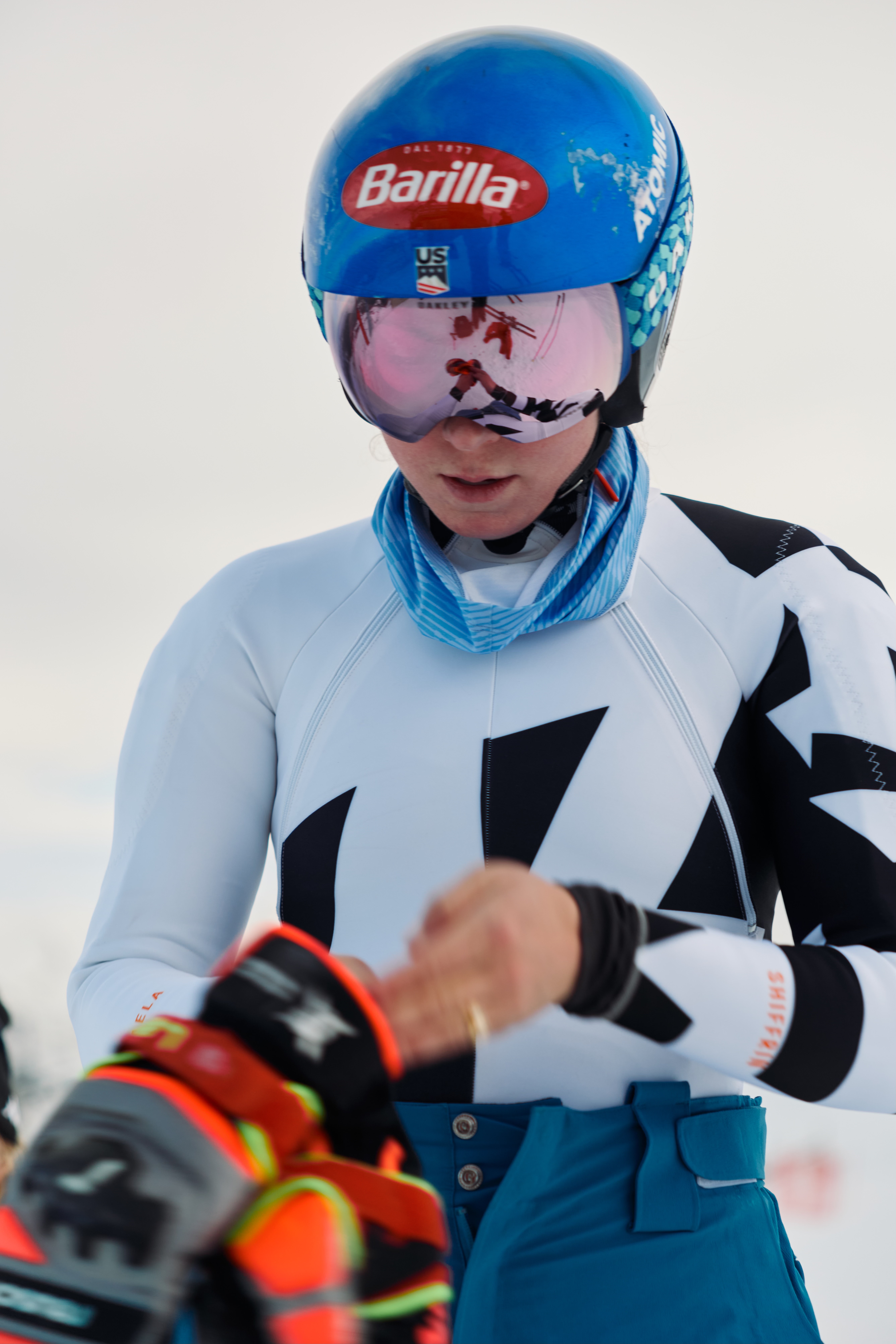
Olympic alpine skier Mikaela Shiffrin knows this reality intimately.
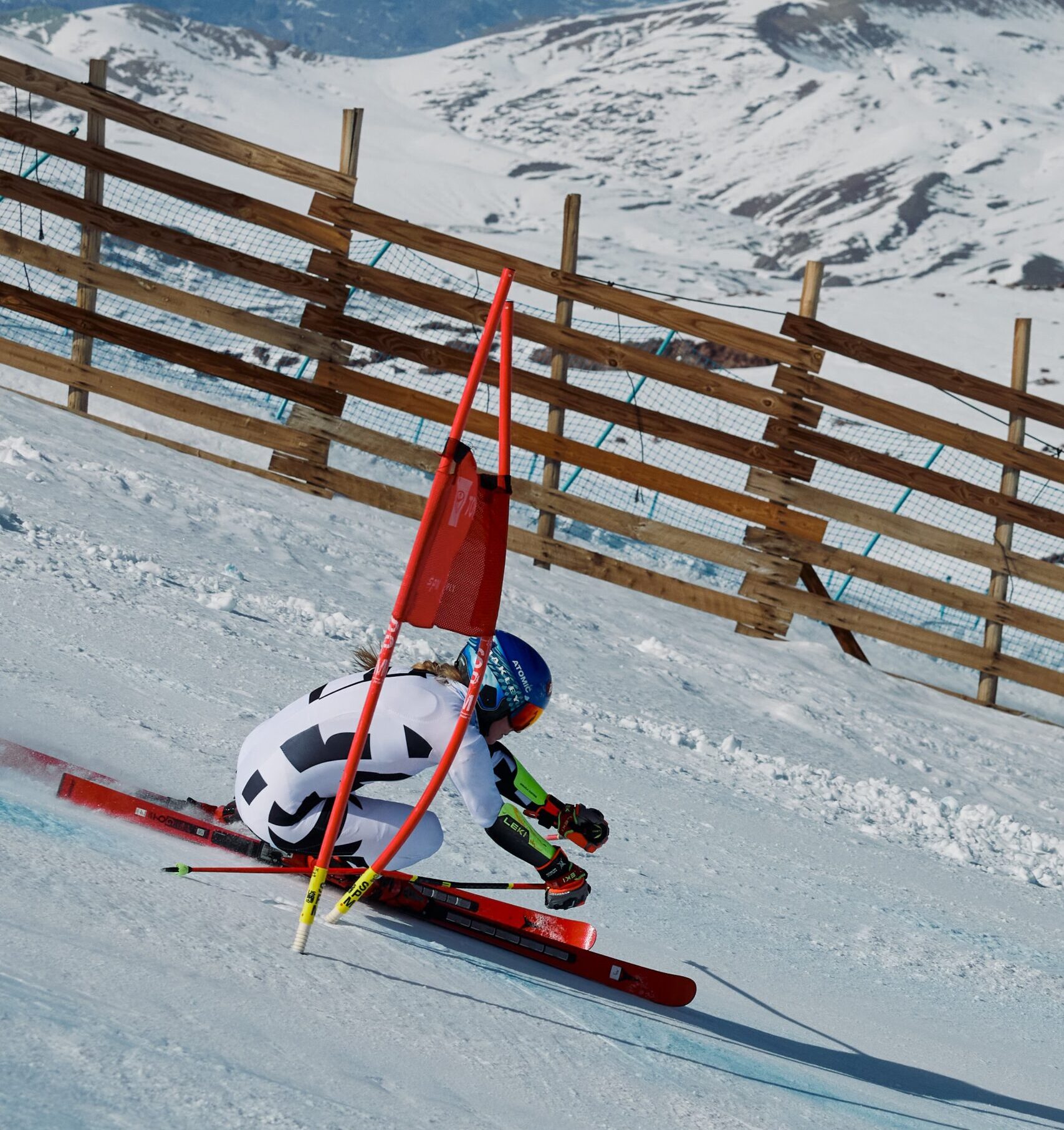
Racing at speeds over 70 mph in subzero temperatures. Hours of sun reflecting off snow at altitude. Wind that doesn’t stop. Her skin doesn’t get a break during race season.
When ELLE asked her about winter skincare, Shiffrin identified exactly what she’s protecting against: “It’s sun, wind, or temperature damage—really, the coldness that I’m protecting my skin from.”
Through years of trial and error at the highest level of competition, she’s learned three critical things:
1. Timing matters as much as products
“As soon as I get off the hill, I’ve made it a habit to wash my face immediately and then go through my hydration again,” she told ELLE.
This isn’t about being fastidious. It’s about understanding that every minute your skin sits with sunscreen breakdown, sweat, and environmental exposure, your barrier continues breaking down. The sooner you remove that layer and start repair, the better your skin recovers before the next exposure.
2. Face oils outperform creams for extreme conditions
Shiffrin told Bustle that she “swears by face oils for hydration. My face does the very, very best when it’s uber-hydrated.”
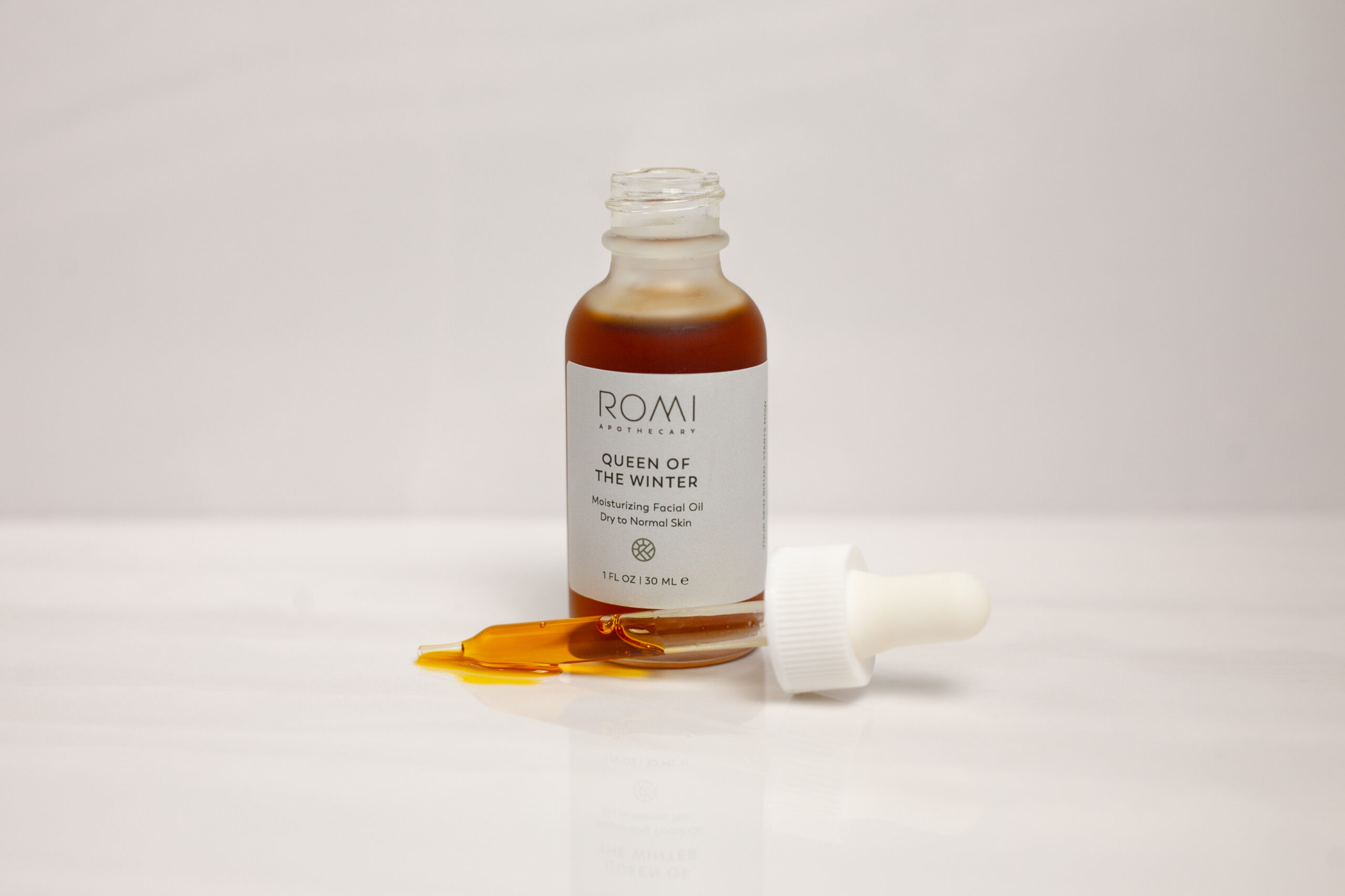
When she started using Queen of Winter Oil several years ago, she noticed something specific: “my tone was the clearest and cleanest, and I stopped breaking out nearly as much.”
3. Protection needs to last, not just feel good initially
She told ELLE: “I don’t need much—one drop goes all over my face and neck. Moisturizers or creams tend to wear away quicker than face oil.”
One drop is all she needs because the barrier actually stays intact through hours of exposure.
Why Oils Work Better for Athletes
Let’s break down the science of why face oils outperform cream moisturizers for winter athletic conditions.
Most moisturizers are emulsions
Water mixed with oils and emulsifiers to create a cream texture. They feel nice. They absorb quickly. And they break down fast under extreme conditions.
Here’s what happens to cream-based moisturizers during winter activity:
Water content evaporates quickly. In cold, dry air or wind, the water in your moisturizer evaporates faster than your skin can use it. You’re left with whatever oils were in the formula, but you’ve lost the hydration.
Emulsifiers can fail in cold. The ingredients keeping water and oil mixed don’t always hold up under temperature extremes. Your cream can start separating on your skin.
They don’t create lasting occlusion. Creams sit on top more than they seal. Under wind and cold, that surface layer wears away.
Face oils work differently
They seal by nature. Oils create an actual barrier that stops water from evaporating out of your skin. Critical when you’re facing hours of exposure.
No water to evaporate. The protection you apply in the morning is still there hours later.
Cold doesn’t affect barrier function. Oil viscosity might change with temperature, but the protective seal remains intact.
They penetrate and seal simultaneously. Quality botanical oils work their way into your skin while creating a protective layer on top.
This is why Shiffrin’s observation about creams wearing away quicker than oil is so accurate. It’s not preference – it’s physics.
The Post-Activity Window
Here’s something most athletes don’t realize: what you do in the first 30 minutes after coming inside matters more than what you did before going out.
Your skin has just been through significant stress. Your barrier is compromised. You have sunscreen breakdown, sweat, and environmental exposure all sitting on your skin, continuing to cause issues.
 Why immediate cleansing is critical
When sunscreen breaks down from hours of sun exposure, it becomes irritating. Leaving it on continues that irritation.
Sweat mixed with cold air creates a pH imbalance. The longer that sits, the more your barrier struggles to reset.
Environmental particulates need to be removed so your skin can start repair.
But you can’t strip your barrier further
If you use a harsh cleanser on already-compromised skin, you’ve made things worse.
Oil cleansing makes sense for athletes for the same reason face oils work better than creams: oil binds to oil.
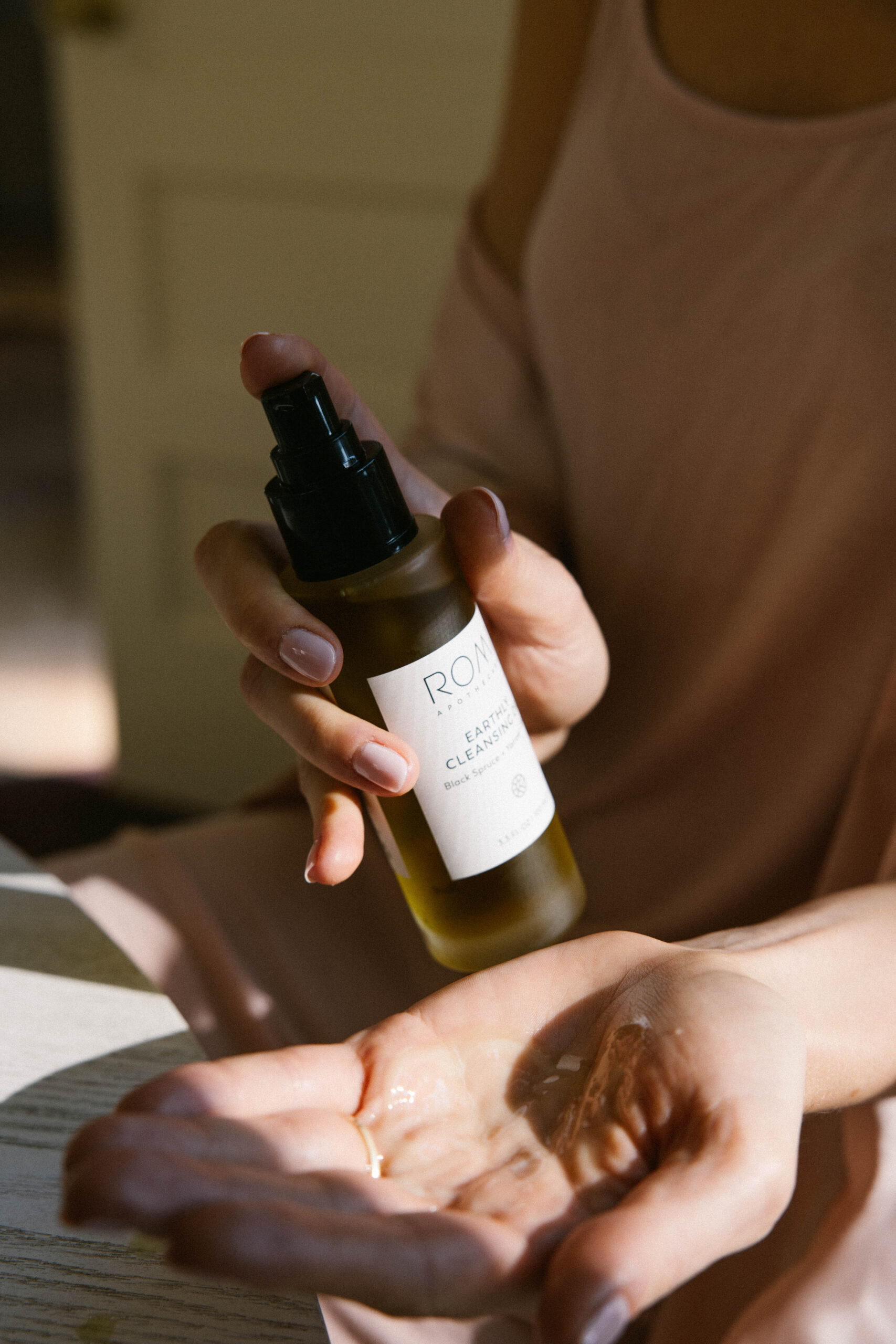
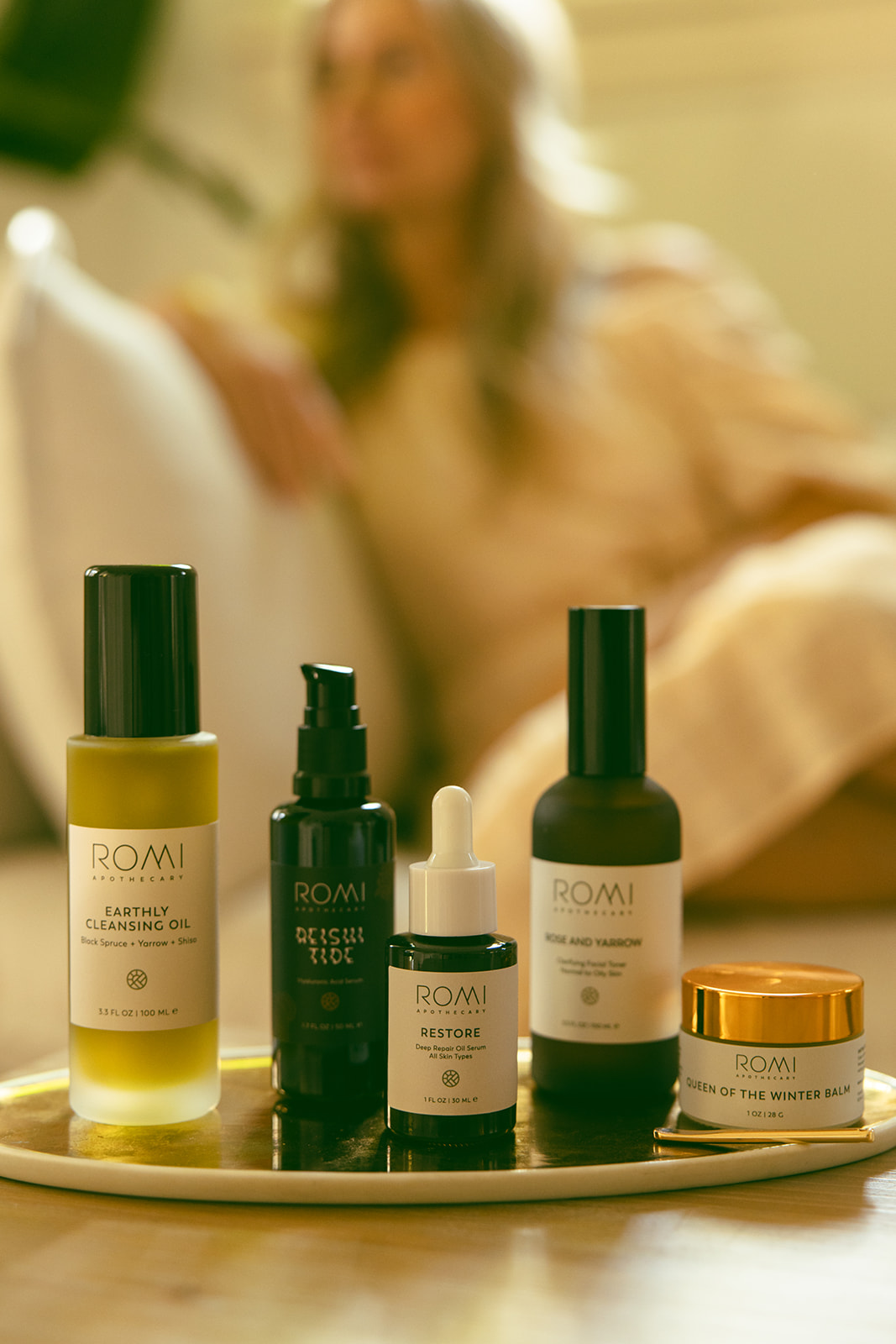
Earthly Cleansing Oil binds to sunscreen (oil-based), sebum, and all the oil-soluble accumulation from hours of exposure. Apply to dry skin, massage thoroughly, add water to emulsify (this is what lifts everything off), rinse.
Your skin is clean but not stripped. Your barrier isn’t further compromised. You’re ready for the repair phase.
Building Barrier Recovery
Once your skin is clean, you have to rebuild what was lost before your next exposure.
Compromised barrier function doesn’t recover from just one product – it needs layers that work together.
Layer 1: Restore pH and prep
Your skin’s acid mantle – the slightly acidic pH that keeps it healthy – gets disrupted by everything you just experienced. Cold air, sweat, alkaline tap water from cleansing.
Toners restore pH balance and prep your skin to absorb what comes next. Rose and Yarrow Toner uses fresh aloe vera juice and plant hydrosols to rehydrate while closing pores with gentle astringency.
Without this step, expensive serums sit on the surface instead of penetrating.
Layer 2: Replenish moisture at cellular level
Cold air and wind pulled water out of your skin for hours. You need to put it back and make it stay.
Hyaluronic acid binds to water molecules and holds them in your skin. But here’s the critical detail: you have to apply it to damp skin.
Hyaluronic acid can hold up to 1,000 times its weight in water, but it needs water to bind to. Apply it to dry skin and it actually pulls moisture from your deeper skin layers.
Reishi Tide Serum combines short and long-chain hyaluronic acid molecules (different sizes penetrate to different depths) with reishi mushroom extract for antioxidant protection and red algae for mineral hydration.
Apply to skin still damp from toner. Two pumps. Let it absorb.
Layer 3: Seal everything
Everything you just applied will evaporate if you don’t seal it. This is where face oil becomes essential.
Queen of Winter Oil creates a barrier that holds up under challenging conditions. Cold-pressed botanical oils (jojoba, avocado, pumpkin seed, buriti fruit, cranberry seed, oat) rich in essential fatty acids. Minnesota-grown marshmallow root for soothing and moisture retention. Seabuckthorn and pomegranate for antioxidant protection.
One drop or squeeze pressed into damp skin creates a protective seal that lasts.
This is Mikaela Shiffrin’s exact approach: cleanse immediately, hydrate in layers, seal with oil. Then repeat before the next session.
When You Need Maximum Protection
Not all winter activity is equal. Here’s how to know when you need more than the standard routine:
Altitude exposure – Above 8,000 feet, there’s less atmospheric UV protection, drier air, harder-working barriers
Extended duration – More than 2-3 hours of continuous exposure means morning protection won’t last
Extreme wind – Exposed ridgelines, coastal areas, constant strong wind strips barriers fastest
Already compromised skin – Damaged barriers need deeper support
Consecutive days – No recovery time between sessions means you need maximum barrier function
This is when Queen of Winter Balm becomes essential.
Same botanical formula as the oil, concentrated into a solid balm with beeswax for maximum barrier protection.
It soaks in completely, works under sunscreen, can be applied before going out for pre-emptive protection or as the final layer post-activity.
Practical Application by Activity Level
Daily winter runners (30-60 min sessions)
- Pre-run: Cleanse, tone, serum, oil
- Post-run: Quick tone if needed, oil reapplication
- Evening: Full cleanse, tone, serum, oil
Weekend athletes (3-4 hours on mountain)
- Pre-activity: Full routine with oil, sunscreen
- Mid-day: Quick tone refresh, oil reapplication
- Post-activity: Immediate oil cleanse, tone, serum, oil
- Evening: Tone, serum, oil or balm
Serious training (daily multi-hour sessions)
- Morning: Full routine with balm before sunscreen
- Post-training: Immediate oil cleanse, tone, serum, oil
- Evening: Full routine with balm for overnight repair
- Rest days: Extra hydration, gentle massage, deeper care
Multi-day competitions
- Travel sizes of everything
- Never skip post-activity cleansing
- Balm as default over oil
- Consider layering: oil, then thin layer of balm
The key isn’t complexity. It’s consistency and understanding what your skin needs based on exposure level.

Why Minnesota
ROMI Apothecary is based in Minnesota, where winter conditions taught us what skin actually needs when temperatures drop below zero and stay there for months.
When wind chill reaches -20°F or colder, when indoor heating runs constantly making indoor air as dry as outside, when you’re facing this daily from November through March – you learn what works and what doesn’t.
Queen of Winter Oil came from that experience. Rich, protective oils that don’t clog. Minnesota-grown marshmallow root. Botanical seed oils rich in the carotenoids and essential fatty acids that compromised barriers need most.
Mikaela Shiffrin found these products on her own – not through any endorsement deal or marketing partnership. She started using Queen of Winter because it worked for her skin under extreme racing conditions.
The same formula she uses. The same protection available for your skin, whatever your winter looks like.
Start Where You Are
You don’t have to be racing World Cups to benefit from this understanding.
Maybe you’re training for something. Maybe you’re keeping winter running or skiing as part of your life. Maybe you refuse to let cold weather keep you inside.
Your skin is dealing with real stress. It deserves protection that understands what it’s up against.
Our Winter Kit includes the complete post-activity routine: Earthly Cleansing Oil, Rose and Yarrow Toner, Reishi Tide Serum, and Queen of Winter Oil.
For more intense conditions, add Queen of Winter Balm for maximum barrier protection.
Whether you’re training at altitude or running through a Minnesota February – this is what works when your skin has to show up ✨
[Shop Winter Kit] [Shop Queen of Winter Oil] [Shop Queen of Winter Balm]
Related Reading:
- What Ritual Actually Means (And How to Build One That Lasts)
- The Extra Layer – When and Why
- Winter Skin Barrier Protection
Products mentioned in this article: