

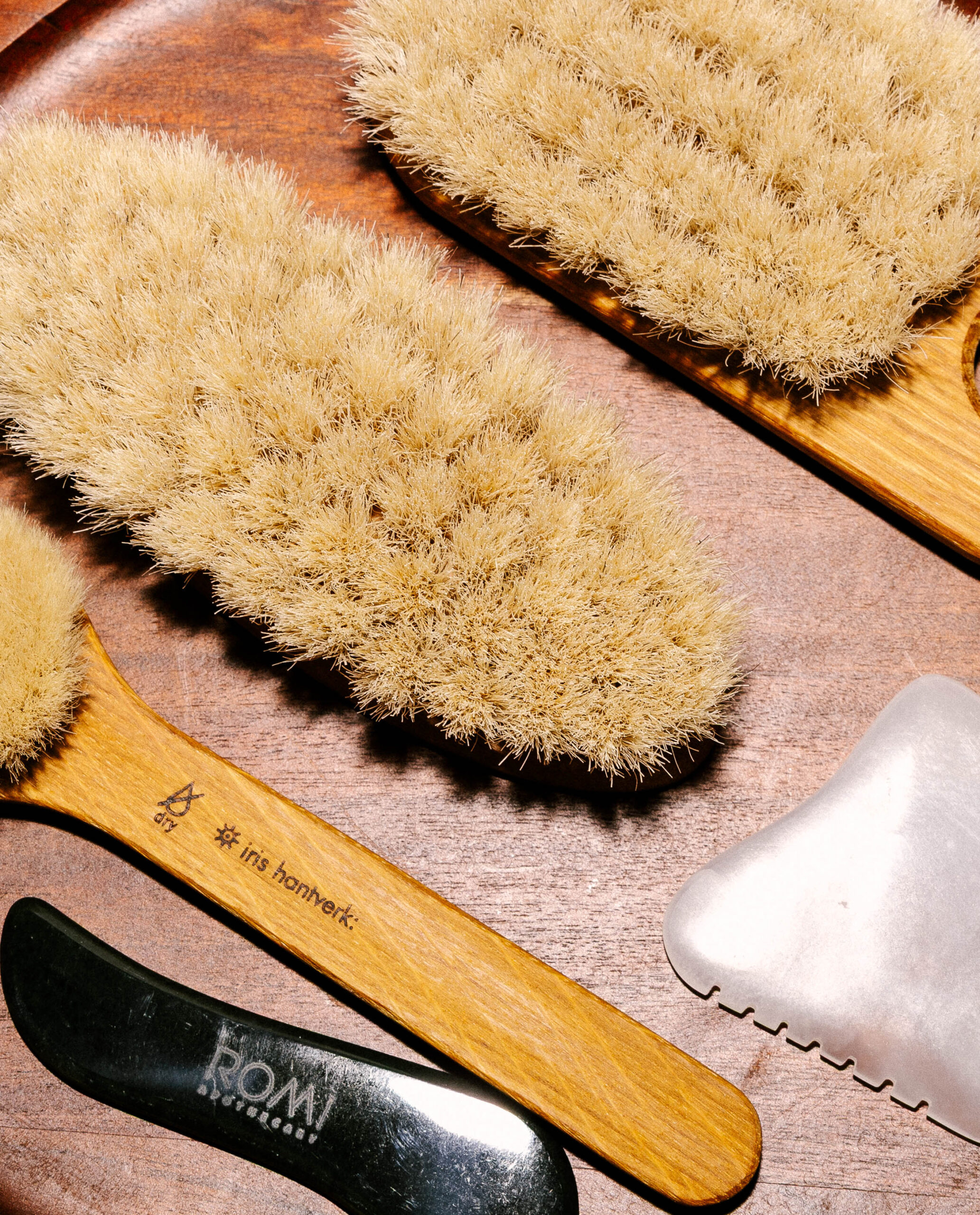
Gua Sha, Dry Brushing, and the Lymphatic System: A Practice for Clearer, Brighter Skin
There are two practices that show up consistently across traditional wellness systems, in East Asian medicine, in European spa culture, in Ayurvedic bodywork, that most modern skin care routines have either forgotten or reduced to trends.
Gua sha and dry brushing. Both ancient. Both simple. Both working through the same underlying system in the body, one that most people have heard of but rarely think about in relation to their skin.
Understanding that system is what makes these practices make sense. And once they make sense, they are easy to keep doing.
The Lymphatic System: What It Is and Why It Matters for Skin
Your body runs two major fluid systems simultaneously. The cardiovascular system moves blood through the body via the heart as its pump. The lymphatic system is less familiar, a vast network of vessels, nodes, and fluid that moves alongside the cardiovascular system, performing essential maintenance work that the blood system does not cover.
Lymph fluid collects cellular waste, excess fluid, and other byproducts of normal cellular activity as it moves through this network. It travels toward clusters of lymph nodes located at the neck, collarbone, armpits, and groin, where waste is filtered before the fluid recirculates. This process keeps tissue healthy and contributes to the kind of fluid balance that shows up visibly in skin.
Here is the key difference between the two systems: blood has the heart to pump it. Lymph has no dedicated pump. It moves through the contraction of muscles, the rhythm of breathing, gravity, and physical movement, including manual pressure applied deliberately to the body.
This is the mechanism behind centuries of traditional physical practice. Ancient practitioners across cultures did not have our anatomical vocabulary for lymph. But they observed, reliably and consistently, that people who received deliberate manual pressure and movement through bodywork, through tools, through ritual physical practice, had skin that looked brighter and more alive. That puffiness eased. That something in the tissue shifted.
We now have language for what they were observing. And we have tools that support it elegantly.
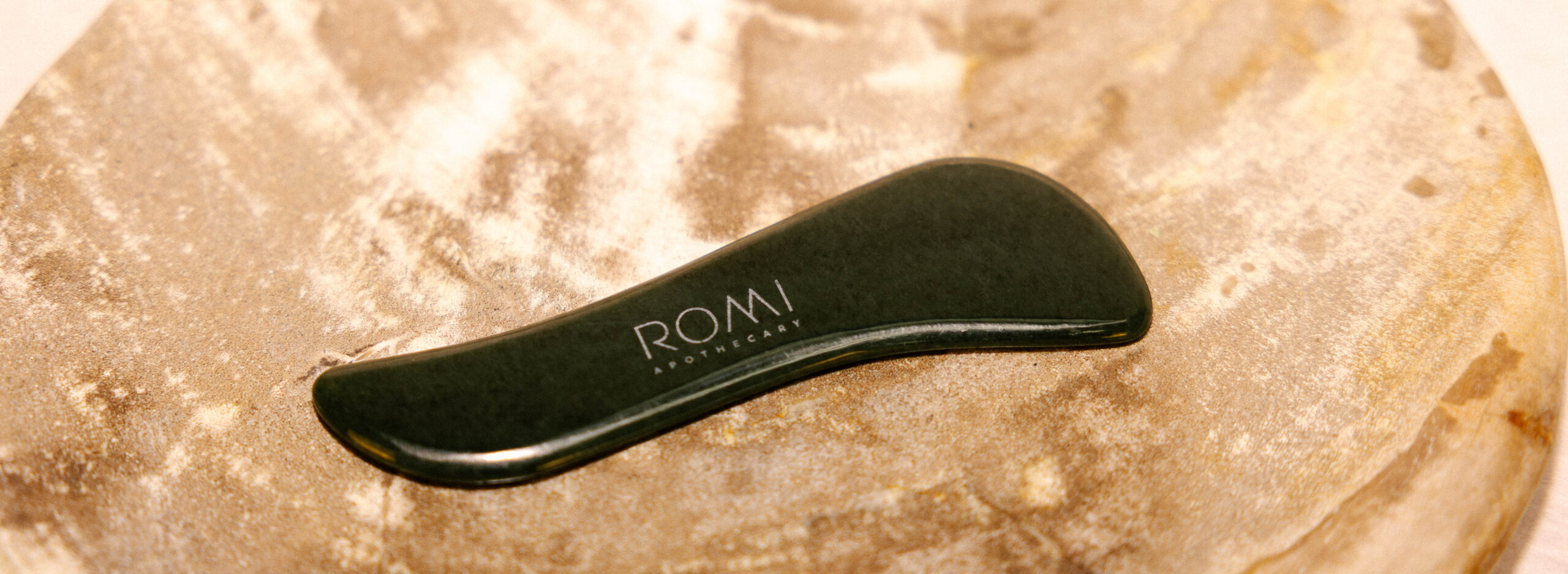
Gua Sha: An Ancient Tool for Modern Skin
Gua sha, pronounced “gwah shah,” is a traditional East Asian practice with roots in Chinese medicine extending back thousands of years. The name translates roughly to “press stroking,” describing the application of a smooth edged tool to the surface of the skin with deliberate, flowing pressure.
In its traditional clinical form, gua sha was practiced on the body by trained practitioners for therapeutic purposes. The gentle facial adaptation widely practiced today is meaningfully different in pressure and approach, focused on the face, neck, and décolleté, using light to moderate directional strokes that follow the natural pathways of lymphatic vessels close to the skin’s surface.
The results are visible and consistent. Skin that looks lifted, more defined, less puffy, more awake. Not because of anything mysterious, but because consistent directional pressure along facial contours does something real. Circulation increases. Facial muscle tension releases. Fluid that pooled overnight moves. The face looks more like itself, and more alive.
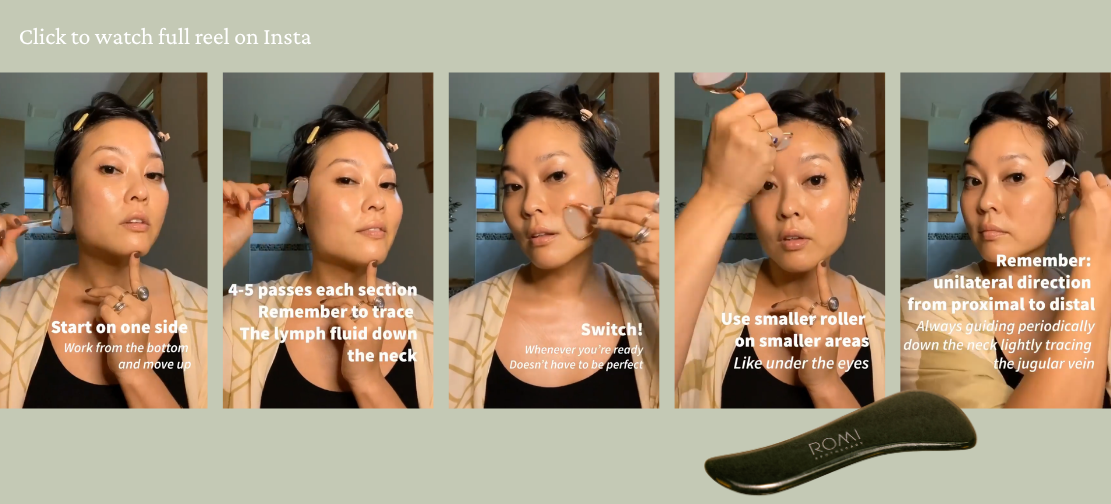
If you are new to gua sha, spending a little time with trained practitioners before picking up a tool is genuinely worth it. Paige Yang uses ROMI products in her practice and has shared both her full gua sha approach and her experience with Reishi Tide Hyaluronic Acid Serum on Instagram and both are well worth a watch before you begin. Lanshin™ is a beautiful resource for anyone wanting to understand gua sha from its TCM roots. Kaitlen Brennan is a Chinese Medicine Practitioner in Minneapolis who incorporates ROMI products into her gua sha facial treatments. Christina Snead, who owns Berkana Studio is an esthetician who uses ROMI oils in her gua sha face massage. These are wonderful ways to experience the practice in person before building your own ritual at home.
Note: ROMI recommends consulting a TCM practitioner with gua sha training before beginning, especially if you are new to the practice.
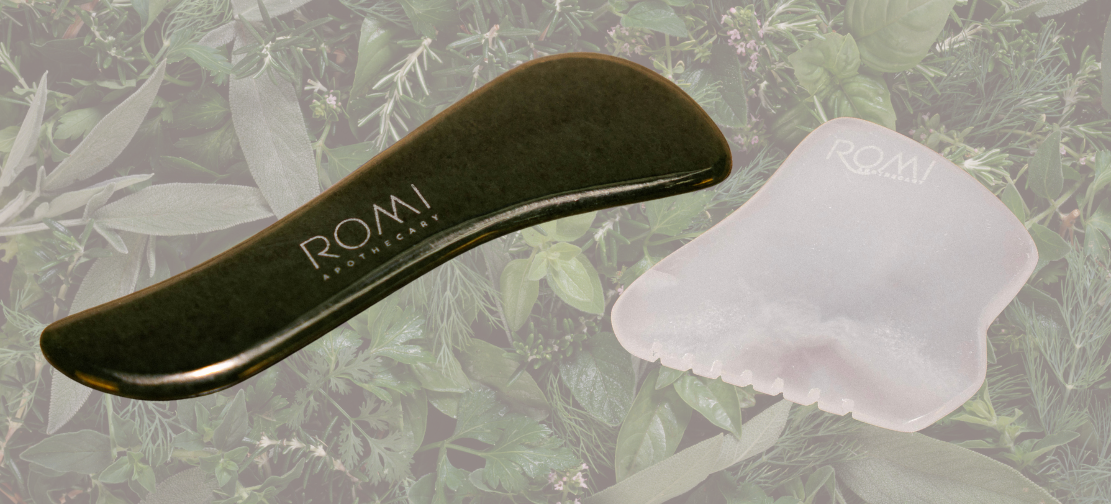
The ROMI Gua Sha Tools
Gua Sha Paddle | Nephrite Jade
This paddle shaped tool is designed for smaller hands to hug the curves of the jawline and cheekbones with precision. Nephrite jade is dense, cool, and almost mirror like in its finish, reminiscent of conifer forests, deep moss, still dark water. The shape offers controlled handling around the delicate eye area while the broader face works beautifully across the cheeks and forehead.
Jade has long been considered calming and grounding, quieting to the nervous system and the mind. Whether you hold those associations or simply appreciate the cool weight of quality stone, the tool itself is a pleasure to use.
Use it with Brilliance Serum in the morning to reawaken your complexion. Use it over your favorite ROMI moisturizer in the evening to calm and restore.
Serrated Edge Gua Sha | White Jade
This multi sided tool offers versatility in a single stone. The serrated edge encourages stimulation and gentle massage of tissue for brightness and increased circulation, ideal for morning use and for skin that responds well to gentle texture. The smooth sides offer the classic flowing strokes of traditional gua sha technique for calmer, more restoring moments.
White jade is nearly opaque with subtle clouds and striations, quiet and contemplative where nephrite is grounding and forest dark. Some people have both and reach for one or the other depending on what the morning calls for.
Use the serrated edge with Brilliance Serum to reawaken. Use the smooth side after moisturizer whenever your skin needs softness and calm.
How to Practice Gua Sha
Always begin with clean skin and a facial oil or serum applied. The tool needs slip to glide without pulling. Dry dragging is uncomfortable and works against you.
Begin at the collarbone, a key point in lymphatic drainage. Move up the neck with upward strokes, across the jaw from chin toward ear, along the cheekbones from nose toward temple, across the forehead from center outward, and finish again at the neck and collarbone to encourage fluid moving downward and away. Three to five slow intentional passes per area.
The whole practice can take five minutes or twenty. Tools can be kept cool in the refrigerator if you prefer that sensation. Morning practice tends to be most effective for the appearance of overnight puffiness. The skin you wake up with and the skin you have after ten minutes of gua sha are genuinely different.
Dry Brushing: The Body Practice
Dry brushing attends to the body with the same underlying logic as gua sha attends to the face. Natural bristle brushes on dry skin before bathing, with short brisk strokes directed toward the heart. The friction stimulates circulation and encourages movement in the superficial lymphatic vessels just beneath the skin’s surface.
The texture of the experience is different from gua sha. Where gua sha is slow and deliberate, dry brushing is invigorating. Brisk, warming, waking. It is also a form of physical exfoliation, clearing the dead surface cells that build up on the body. Skin after a session feels noticeably smoother and more refined.
The results compound with consistency. A regular dry brushing practice changes the quality of skin over time in ways that are visible and tangible, more even texture, more alive tone, a sense of vitality that is hard to achieve through topical products alone.
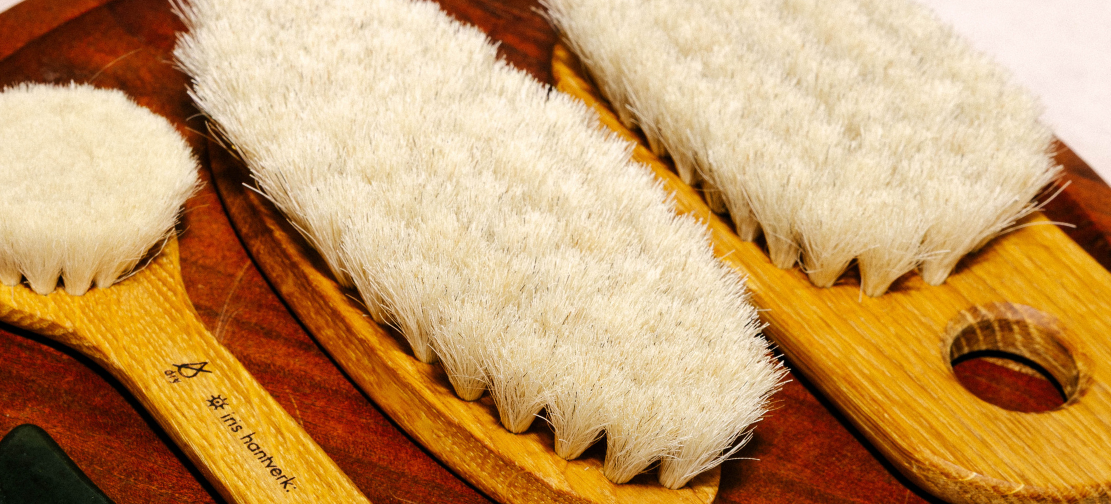
The ROMI Dry Brushes
Handcrafted in Sweden from oil treated oak and exceptionally soft goat hair bristles, this brush is made specifically for the delicate skin of the face. Goat hair is naturally supple and gentle, enough stimulation to make the practice worthwhile and soft enough to use on facial skin without discomfort.
Use it dry on a clean dry face. Massage with gentle circular motions for five minutes once or twice a week, avoiding the eye and mouth area. Follow immediately with a generous spritz of your ROMI toner and then your regular morning routine. It is a beautiful alternative to water cleansing and a particularly lovely way to begin a morning when your skin feels like it needs waking rather than washing.
Dry use only. Clean bristles by sprinkling cornstarch onto them, massaging gently, and shaking off well.
Oil treated oak and horse hair with a loop for easy reach across the back and shoulders. Horse hair is soft and pliable while remaining durable and elastic, real stimulation without harshness. The loop handle makes a genuine full body practice achievable without awkward angles.
The same horse hair construction with added tampico fiber for a little extra texture and scrubbing power, in a compact format for direct controlled grip. This is the brush for arms, legs, and the front of the body, anywhere precision and tactile feedback matter most. Many people use both body brushes together, the loop handle for the back and shoulders and the no handle for everything else.
 How to Practice Dry Brushing
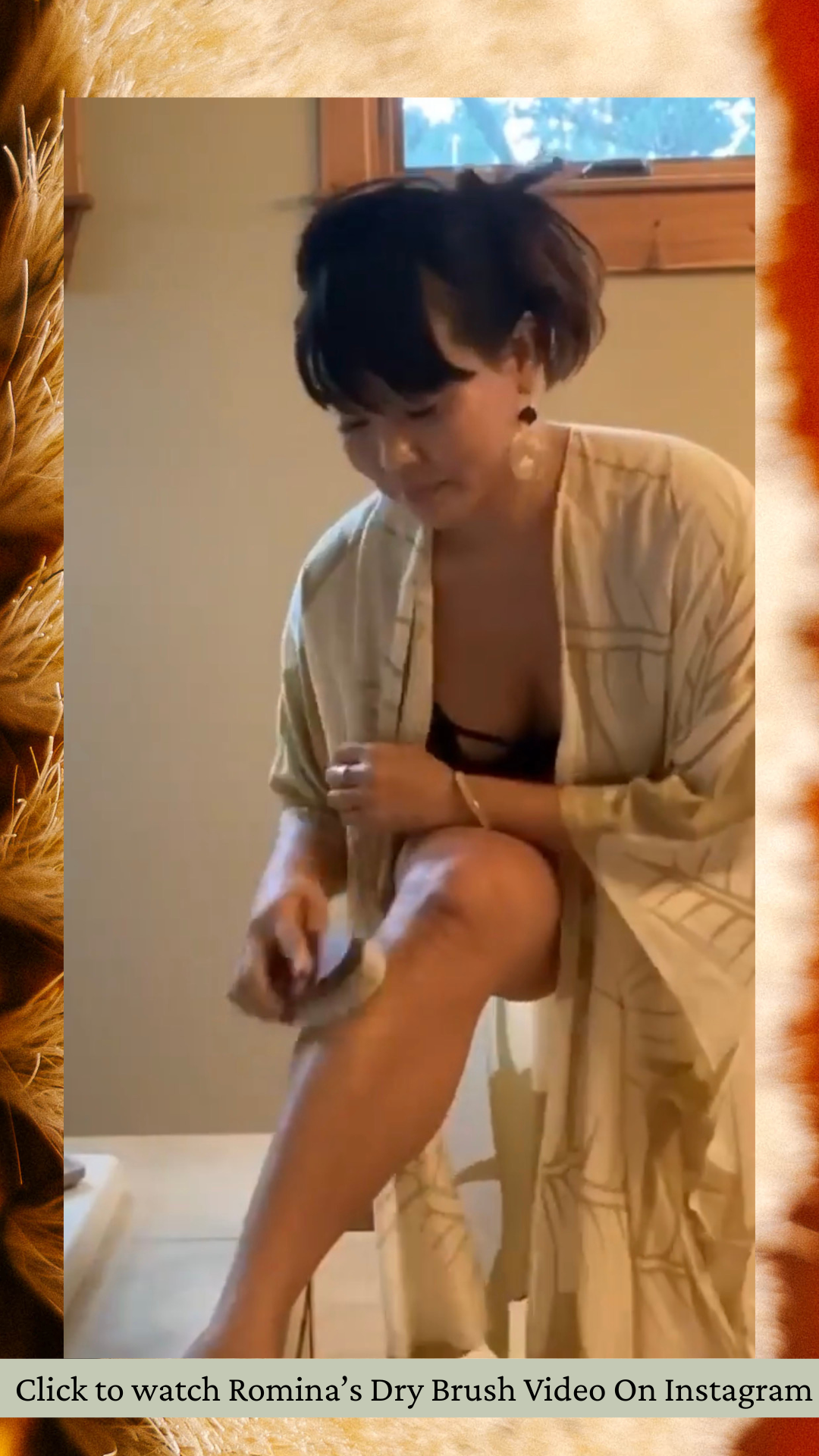
Begin at the feet and work upward with short brisk strokes always directed toward the heart. Inner legs, thighs, abdomen with gentle clockwise circular strokes following the direction of digestion, up the back, across the shoulders, and down the arms from wrist toward shoulder.
The pressure should feel invigorating, firm enough to feel and gentle enough to sustain. Avoid any broken, irritated, or sunburned skin. The whole practice takes five to ten minutes.
Follow immediately with a shower or bath, then moisturize while skin is still slightly damp. This is an excellent moment for body oil, as freshly brushed damp skin absorbs readily. Three to four times a week is enough to see and feel results. Consistency matters more than frequency.
A Complete Practice
These practices work together as a ritual. Face and body. Detailed and broad. The quiet focused morning and the invigorating pre shower moment. Two to three mornings a week, gua sha with your facial oil for five to twenty minutes. Three to four times a week before your shower, dry brushing followed by water and moisturizer. On exfoliation mornings, the Face Brush is a gentle alternative to water cleansing that prepares your skin beautifully for toner and serum.
None of this requires perfect technique or a fixed amount of time. It requires showing up consistently, with attention, with the willingness to give your skin what it needs and observe what changes.
The practices are ancient because they work. They work across seasons, across skin types, across whatever your skin is moving through right now. Spring is a natural time to begin or return to them, but the reason to keep doing them has nothing to do with the season.
The ROMI Apothecary Team

Related Reading:
- What Actually Creates Glowing Skin
- Water for Your Skin – The Complete Guide to Toners
- Reading the Signs – Your Skin in Seasonal Transition
Video Resources:
- Romina gem rolling
- Romina dry brushing
- Paige Yang using ROMI with gua sha
- Paige Yang discussing Reishi Tide
Products featured in this article: