


Reading the Signs – Your Skin in Seasonal Transition
March is the month of becoming, of change that hasn’t fully arrived but hovers at the edge of possibility. Temperatures shift between cold that feels like winter hasn’t loosened its grip and warmth that reminds you what it feels like to step outside without bracing against harsh air. Nothing quite settles into consistency because the season itself is still finding its form, still becoming what it will be.
Your skin responds to all of this movement – every warming trend and cool return, every shift between dry air and increasing moisture. This is the month that invites you to pay attention, not to prescriptions about what March “should” mean for skincare, but to your actual face and what it’s communicating through texture, through absorption, through how products feel different now compared to weeks ago.
The practice of reading skin through seasonal change isn’t new. It’s ancient, refined over thousands of years across multiple traditional medicine systems. Ayurvedic medicine developed Ritucharya – seasonal routines that flow with environmental change, supporting the body’s natural adaptations rather than imposing fixed protocols regardless of what’s actually happening. Traditional Chinese Medicine built treatment approaches around recognizing that energy moves differently through the body as seasons shift, that spring’s rising vitality requires different support than winter’s inward conservation. European herbalism has always understood that the body naturally sheds winter’s protective accumulation when warmth and longer light return, and that gentle support for this release serves better than resistance or force.
What these traditions share, despite their different languages and frameworks, is a fundamental principle: support what’s already naturally occurring instead of imposing change from outside. Your skin knows how to navigate seasonal transition. It’s been doing it for as long as humans have lived through changing seasons. The question is whether you’re paying close enough attention to support that navigation instead of working against it.
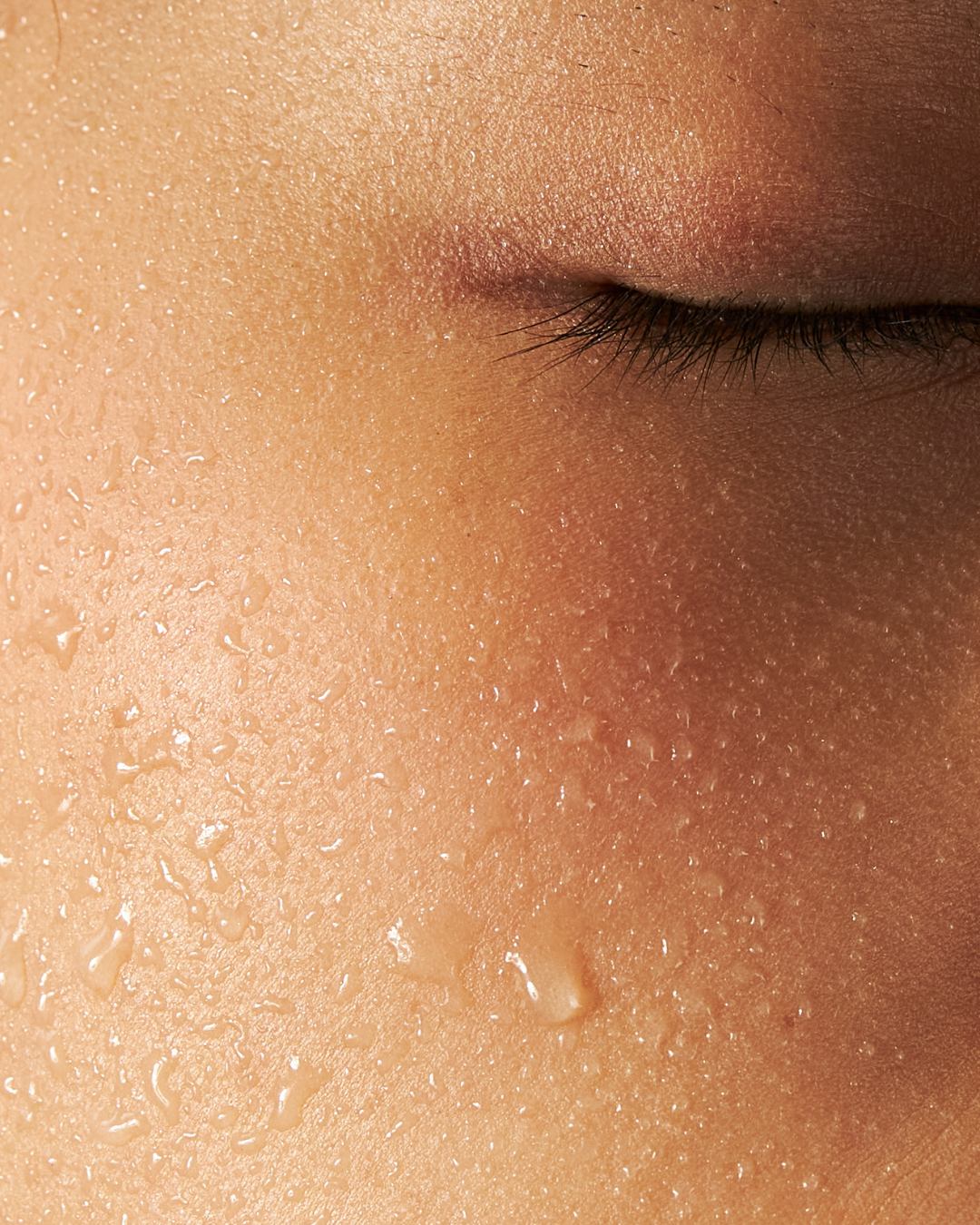
The Ancient Practice of Layered Care
Long before modern skincare developed its categories and routines, traditional systems understood something essential about supporting skin: gentle layers work better than heavy applications, and flexibility serves better than rigidity.
This principle appears across cultures with remarkable consistency. In Ayurvedic self-care traditions, oil application was often preceded by water, by preparing the skin to receive nourishment. Traditional practices in many Asian cultures emphasized building hydration through multiple light applications of water-based preparations before sealing with oils. European herbalism spoke of opening the pores with warm water before applying healing preparations, recognizing that skin receives nourishment better when properly prepared.
The underlying recognition was the same: skin has layers, and care works best when it addresses those layers sequentially rather than trying to force everything to penetrate at once. Water opens and prepares. Concentrated treatments deliver specific benefits. Oils seal and protect. Each step supports the next, and together they create something more effective than any single application could achieve.
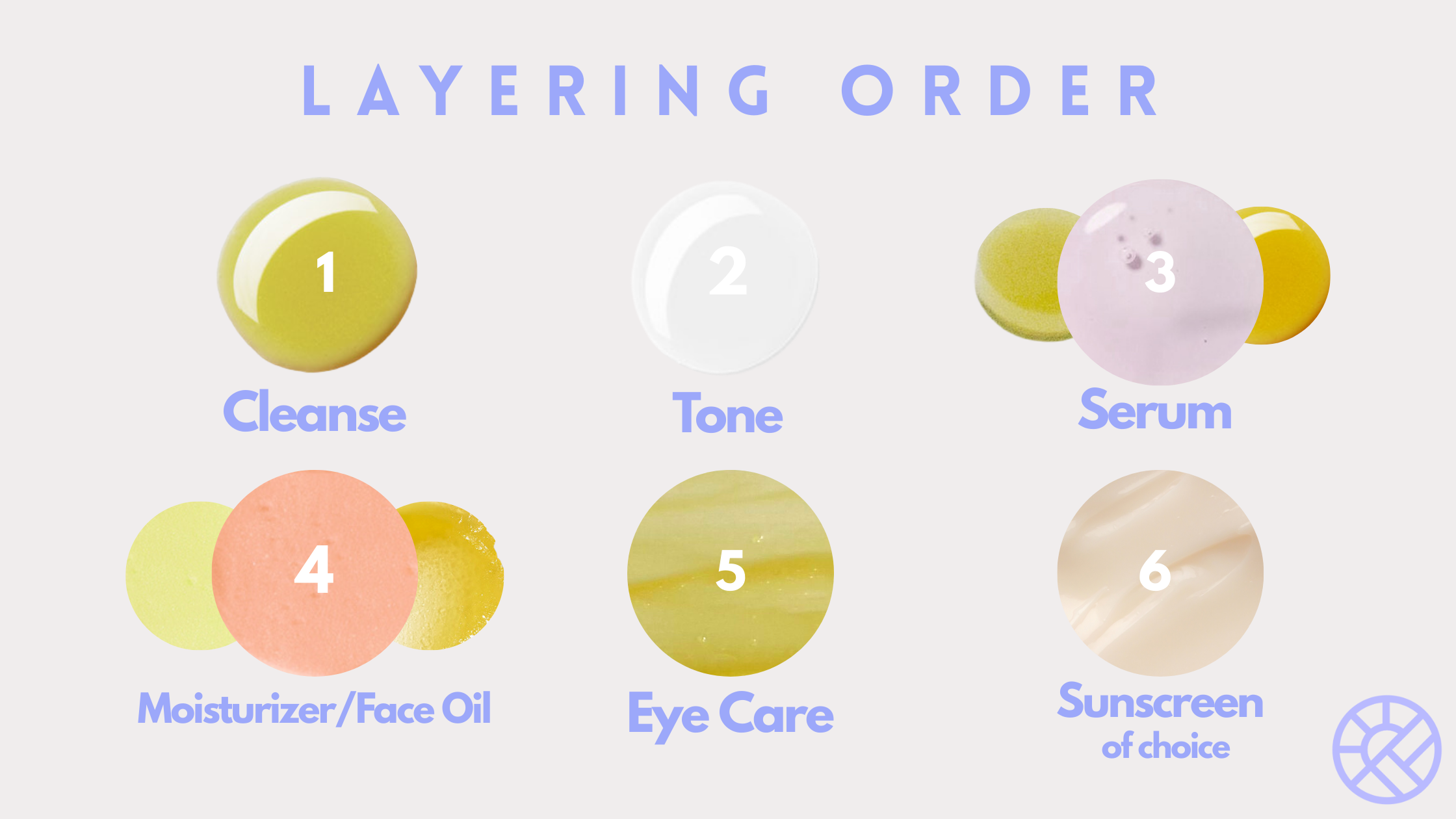
During seasonal transition, this layered philosophy becomes especially relevant. Your skin’s needs aren’t fixed – they’re shifting day to day, sometimes hour to hour, as environmental conditions themselves shift. One heavy product can’t adapt to that variability. But layers can be adjusted with nuance. More water on days when your barrier is becoming more permeable. Less oil when your own oil production increases with warmth. The same basic structure – cleanse, hydrate, treat, seal – remains, but the ratios within that structure flex to meet changing needs.
This is fundamentally different from the approach of switching entire routines when the calendar turns. Traditional systems didn’t say “abandon your winter routine on March first and adopt your spring routine.” They said observe what’s happening, notice what’s changing, adjust your layering to support what your skin is naturally doing. The wisdom is in responsive flexibility, not prescribed transformation.
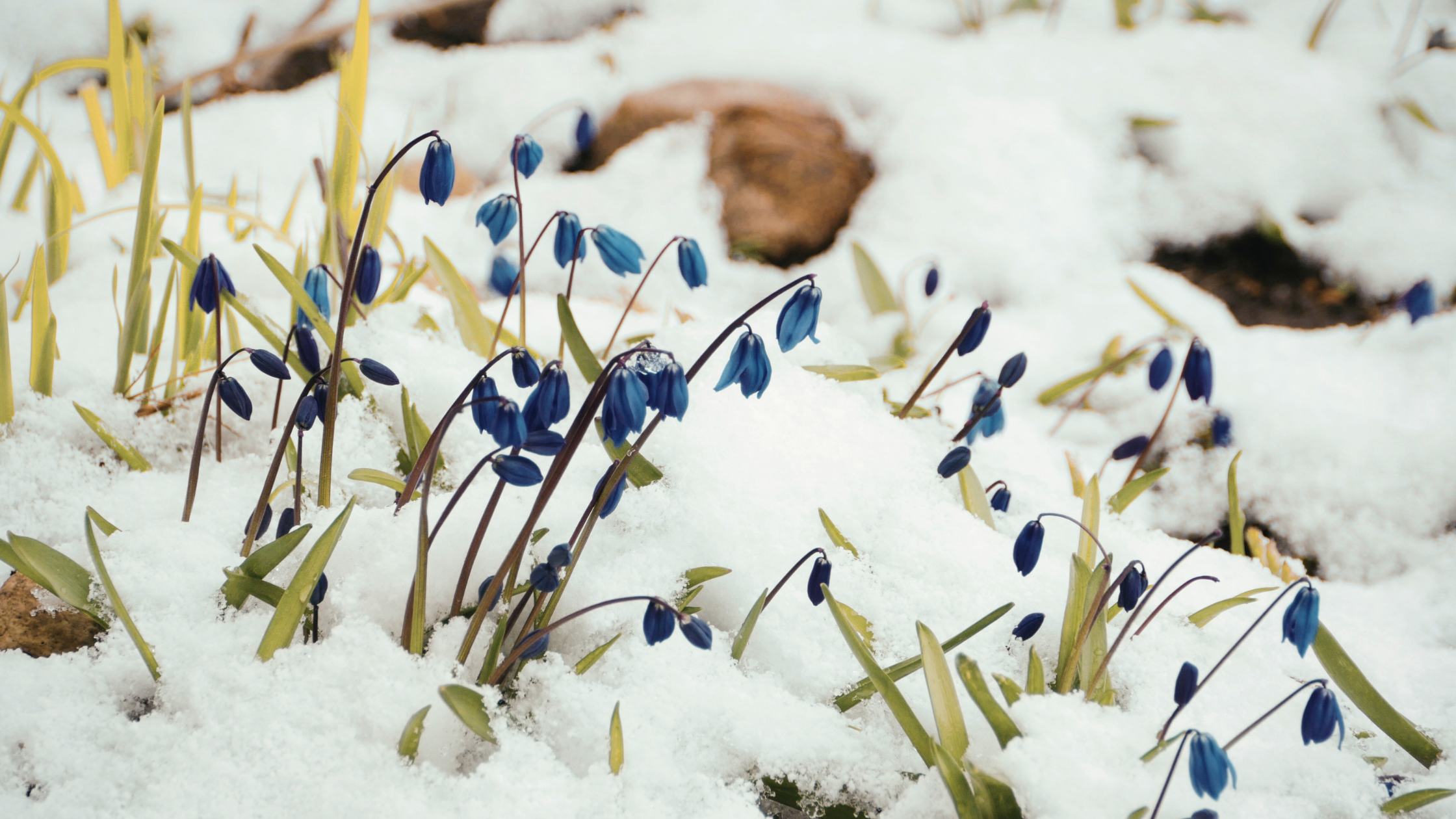
Ayurveda and the Seasons: Supporting Natural Release
Ayurvedic understanding of seasonal change offers particular insight into why spring transition feels the way it does and what kind of support serves this time.
In Ayurveda, spring is the season when kapha dosha – characterized by qualities of heaviness, moisture, density – naturally begins to release after accumulating through the damp and cold of winter. This isn’t a problem to fix; it’s a natural process to support. The body built protective heaviness to survive winter. Now conditions are changing, and that heaviness can begin to shed.
Skin reflects this pattern. The thick protective barrier you developed through winter, the density that kept moisture from escaping when air was dry and harsh, begins to loosen as humidity rises and protection isn’t needed quite so intensely. Dead cells that stacked tightly together can now shed more freely. Oil production that was suppressed by cold can resume as circulation increases with warmth.
Ritucharya – Ayurveda’s seasonal routine framework – doesn’t prescribe the same practices year-round. It adjusts to support what each season naturally brings. For spring’s kapha release, traditional recommendations emphasize lighter applications, practices that support movement and drainage rather than heavy nourishment, gentle clearing rather than maximum protection.
This might manifest as using more water-based hydration and less oil as your skin becomes able to hold moisture without heavy sealing. It might mean noticing that rough texture begins to smooth on its own as your cell turnover accelerates with warmer temperatures, and supporting that natural shedding with occasional gentle exfoliation (like our Ma’ema’e Face Polish) rather than constant heavy moisturization that could trap what’s ready to release.
The key is observation. Ayurveda teaches that everyone’s prakriti – their unique constitution – means they’ll experience seasonal shifts differently. Some people’s skin releases winter patterns quickly. Others hold on longer. There’s no one timeline, no prescribed date when you should make changes. The practice is noticing what your skin is actually doing and supporting that.
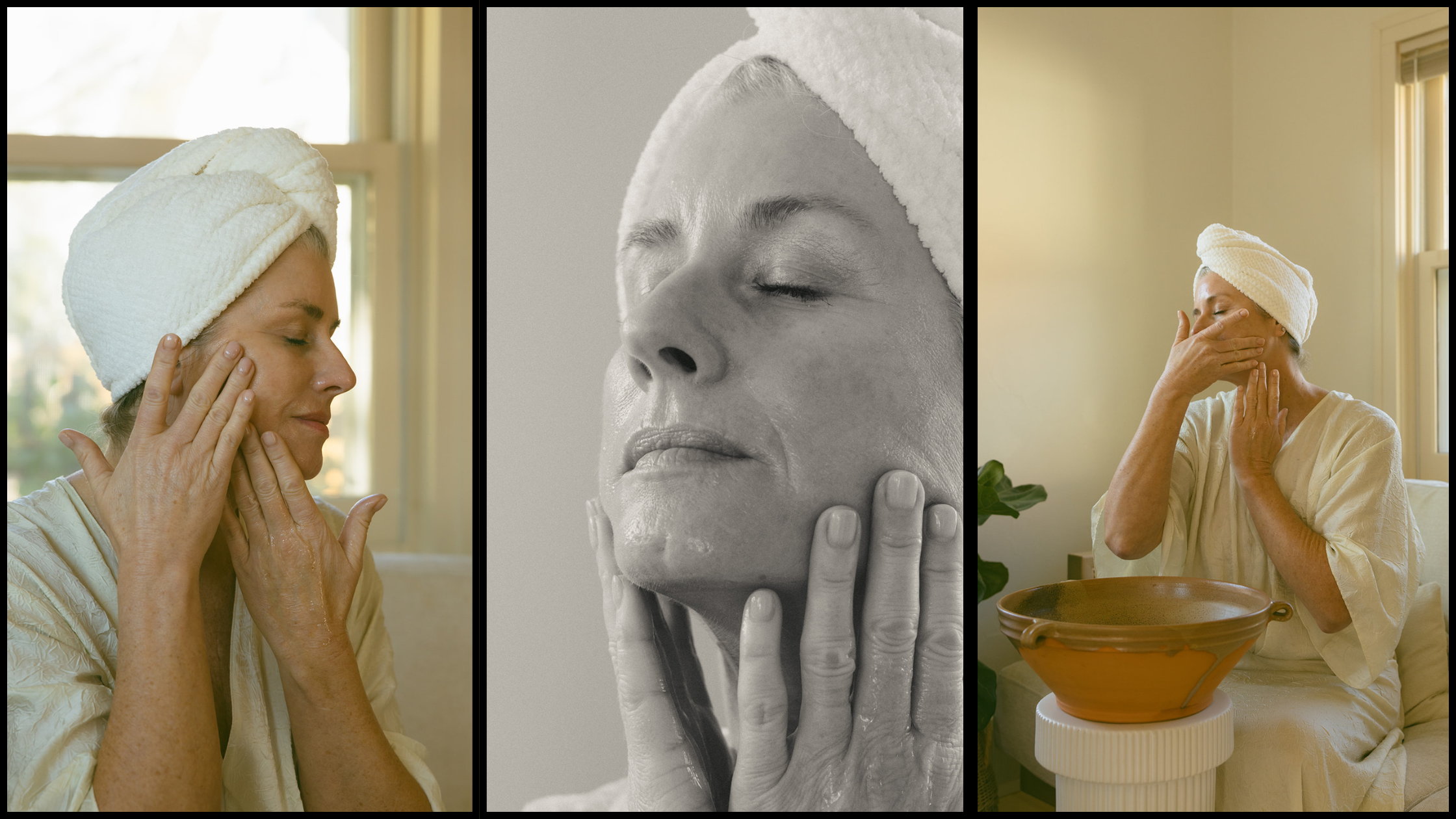
Traditional Chinese Medicine: Understanding Spring’s Rising Energy
Traditional Chinese Medicine offers a different framework for understanding the same seasonal transition, and its insights illuminate what’s happening in our skin during March’s variability.
In TCM, spring is associated with the Wood element and the liver-gallbladder organ system. This is the season when yang energy that was stored deep in the body through winter’s yin conservation begins to rise and move outward. Qi that flowed inward and downward through cold months now reverses direction, moving upward and outward toward the body’s surface.
This rising energy manifests tangibly in skin. Circulation to your face increases as your body no longer needs to prioritize core warming over peripheral blood flow. This brings more oxygen, more nutrients, more activity to skin cells. It also brings potential for excess heat if that rising energy moves too quickly or encounters blockages.
Spring skin conditions in TCM are often understood as liver qi stagnation or heat rising – inflammation, redness, increased oil production that feels excessive rather than balanced. This isn’t your skin malfunctioning; it’s the natural spring process of rising energy, sometimes moving faster than your system can regulate smoothly.
The TCM approach to supporting spring skin emphasizes facilitating smooth flow rather than suppressing symptoms. Cooling applications when excess heat manifests. Practices that support lymphatic drainage so rising energy and fluids can move freely without creating stagnation. Lighter touch that doesn’t add more heat or burden to skin that’s already dealing with increased metabolic activity.
In practical terms, this might mean reaching for toners with cooling properties (Solaire with its cucumber and mint) when your face feels warm or looks flushed as circulation increases. It might mean using less oil because adding more could trap heat that wants to release. It might mean noticing if your skin produces adequate oil on its own now and adjusting your sealing layer accordingly.
TCM also emphasizes that spring’s Wood energy should flow smoothly and freely. Rigidity works against Wood’s nature. This applies to skincare routines – being flexible, adjusting day to day rather than forcing consistency when conditions are changing, allowing your routine to move and adapt the way spring energy itself wants to move and adapt.
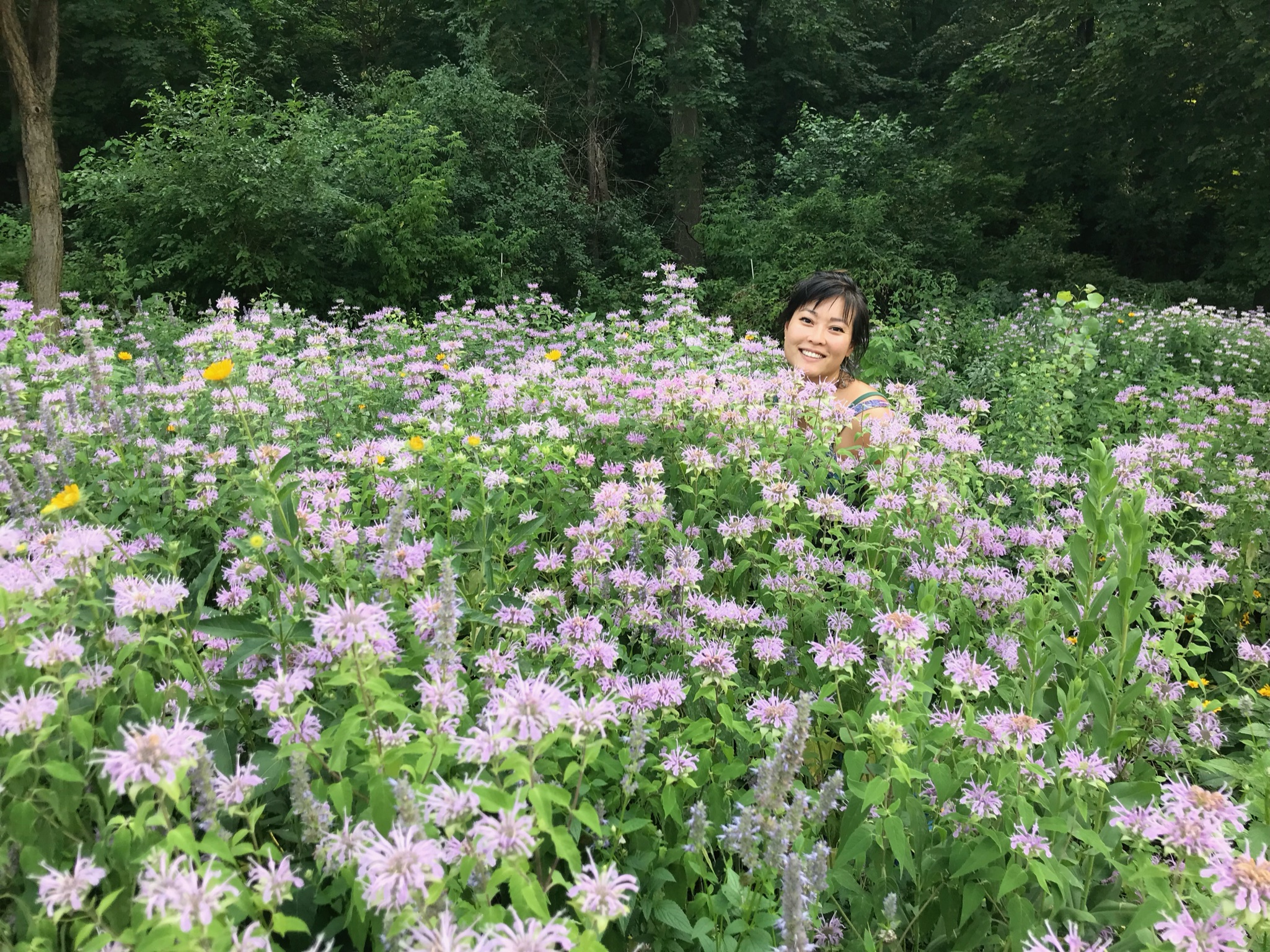
European Herbalism: Spring Renewal Traditions
European herbal traditions developed their own understanding of spring as a time of natural clearing and renewal, with practices that supported this process rather than resisting it.
Spring tonics are perhaps the most well-known element of this tradition – the practice of taking alterative and lymphatic herbs as weather warms to support the body’s natural spring clearing. Herbs like dandelion, burdock, nettle, and cleavers were used to support liver and kidney function, to help the lymphatic system move waste products, to facilitate the shift from winter’s conservation to spring’s more active metabolism and elimination.
This wasn’t about “detoxing” in the modern marketing sense. It was recognition that the body naturally wants to shed what it accumulated through winter – not just in terms of stored fat and metabolic waste, but also the protective thickening and slowing that helped you survive cold months. Spring tonics supported that natural shedding, making it easier, smoother, more comfortable.
For skin specifically, European traditions emphasized practices like dry brushing to support lymphatic movement, lighter oil applications as the skin needed less heavy protection, astringent herbs to tone without stripping. The understanding was that winter required building up – protection, nourishment, barrier strength. Spring required letting go – releasing what was no longer needed, toning rather than building, supporting natural clearing.
The transition between these approaches wasn’t abrupt. Herbalists adjusted formulations gradually, observing how individuals responded, recognizing that some bodies release winter patterns quickly while others need more time. The herbs themselves often remained similar – many plants used through winter continue into spring – but the preparation methods shifted. Lighter infusions instead of heavy decoctions. External applications instead of only internal. Adjustments in ratio rather than complete formula changes.
This principle of gradual adjustment within consistent structure mirrors what we now understand about effective skincare through transition. You don’t need to replace everything when March arrives. You need to notice what’s changing and adjust how you use what you already have – more of this layer, less of that one, different ratios meeting different needs while the basic framework of cleanse-hydrate-treat-seal remains.
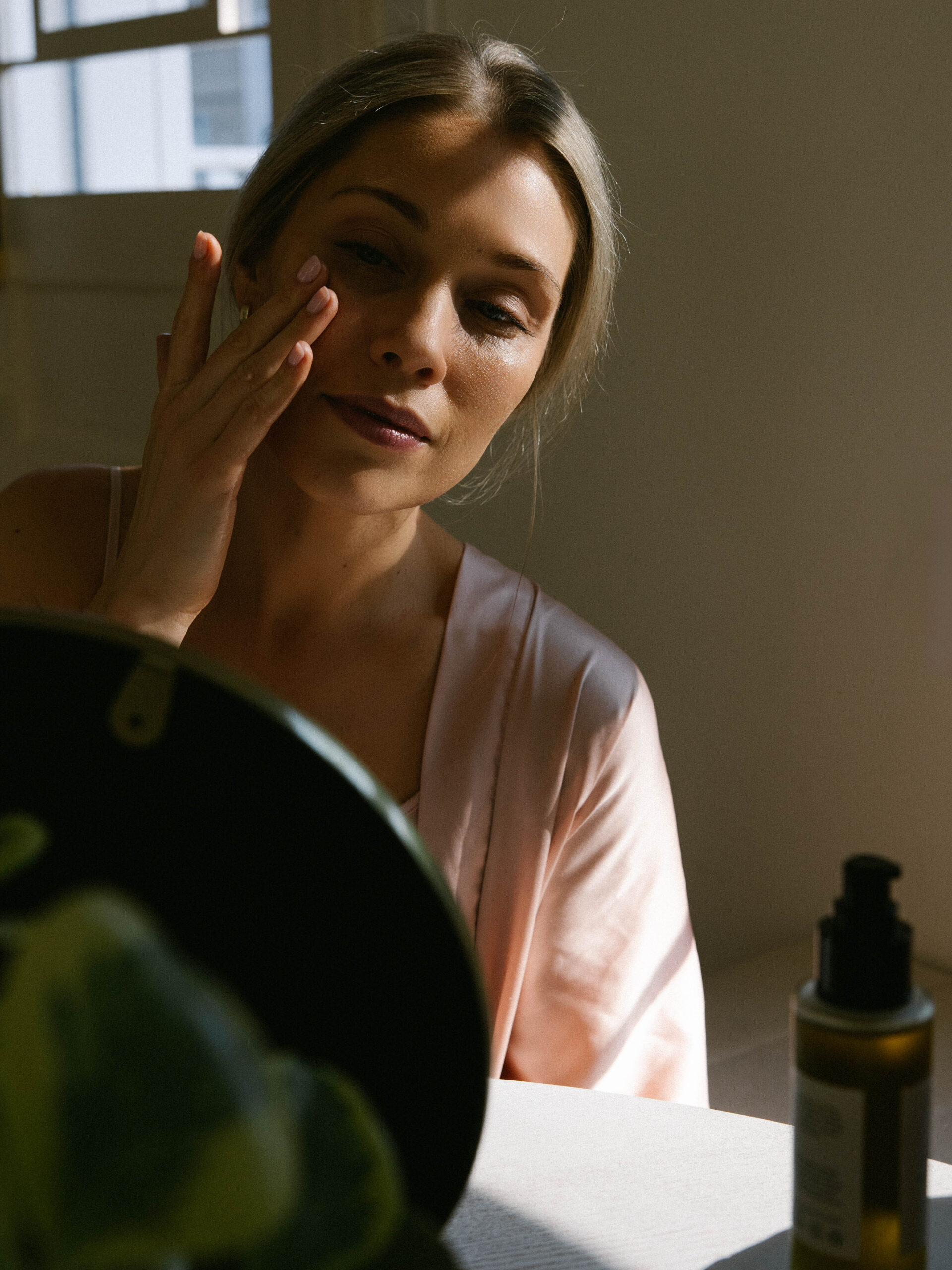
The Practice of Observation: Learning to Read Your Skin
All of these traditional systems, despite their different frameworks and languages, emphasized the same foundational practice: observation. Learning to read your body’s signals. Developing the capacity to notice what’s actually happening rather than following prescriptions about what should be happening.
This is where modern practice can learn most from ancient wisdom. We’ve developed sophisticated products and detailed knowledge about skin biology, but we’ve often lost the practice of careful observation that traditional systems considered essential. We follow routines because they’re our routines, because consistency feels safe, because we read somewhere that we should use specific products at specific times. We pay less attention to whether those routines still serve what our skin is actually doing right now.
Traditional practitioners were trained to observe. To look at skin and see not just surface appearance but signs of what was happening deeper. To feel skin and understand whether its texture indicated healthy shedding or problematic dryness. To ask questions about how skin felt through the day, how it responded to applications, what changed from week to week. This careful gathering of information informed every decision about treatment.
You can develop this same capacity for reading your own skin. It requires presence – the willingness to slow down and actually notice instead of moving through your routine on automatic. It requires curiosity – wondering what this texture means, why absorption is different today, what your skin might be telling you through these signals. It requires patience – understanding that learning to read your skin’s language takes time and repeated observation.
The practice begins with touch. Before washing your face in the morning, touch it and feel what’s there. Not critically, not judging, just noticing. Is your skin smooth or does it have texture? Does it feel comfortable or tight? Warm or cool? These sensations tell you about barrier state, about circulation, about whether your body is still in conservation mode or beginning to release.
Pay attention during cleansing (for instance, with Earthly Cleansing Oil). How does it feel moving across your skin? How does your face feel immediately after rinsing – tight, comfortable, perhaps slightly oily? This immediate response gives information about your barrier’s current protectiveness and your oil glands’ current activity.
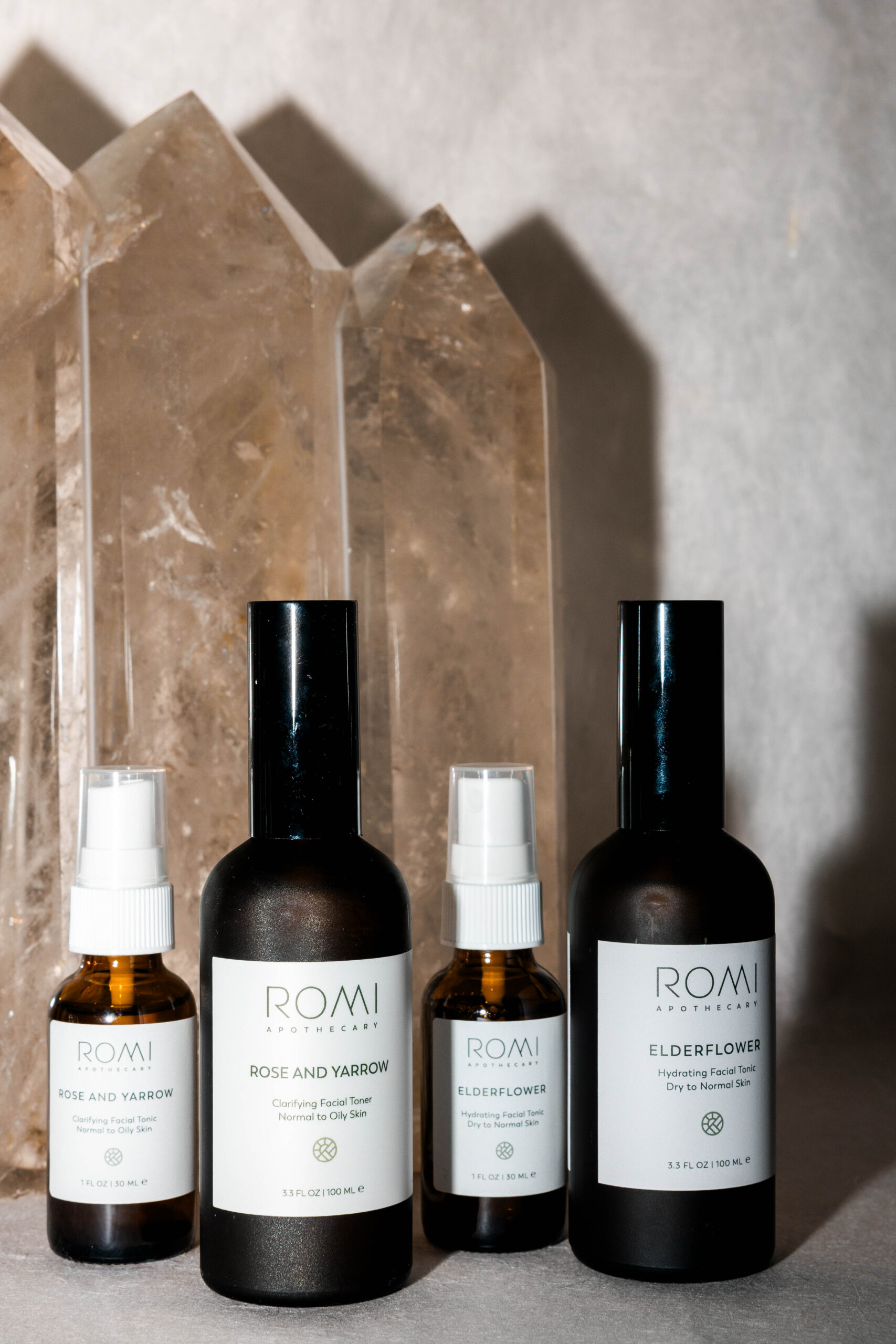
With toner – whether you’re using one with astringent properties (Rose and Yarrow) or one that’s purely hydrating (Elderflower), something cooling (Solaire) or something grounding (Lunaire) – watch how your skin receives it. Instant absorption or does it sit briefly on the surface? Does your skin want more immediately or is once sufficient? Through winter your barrier was likely more protective, less permeable. As it begins to relax with rising humidity, you might notice water sinking in more readily, your skin accepting multiple applications when before one was enough.
This shift in how your skin receives hydration isn’t something to fix or worry about. It’s information. Your barrier permeability is changing as environmental conditions change. This is normal, appropriate, adaptive.
With concentrated treatments – serums whether water-based (Reishi Tide) or oil-based (Restore, Brilliance) – notice absorption patterns. Does tackiness last as long as it did in January? Do oils sink in more quickly or sit on the surface? Do you need the same amount for comfortable coverage or has that changed? Each observation adds to your understanding of your skin’s current state.
Notice through the day. Check in at midday, in the afternoon, by evening. Does your skin feel the same as it did this morning or has something shifted? Through winter it likely felt consistent from morning to night. During spring transition that consistency often breaks down. Your face might feel fine in the morning but oilier by afternoon as temperature rises and your oil glands respond to warmth. Or comfortable at midday but tight by evening after a day in dry indoor air.
These variations aren’t your routine failing. They’re appropriate responses to conditions that genuinely shift throughout the day during seasonal transition. Noticing these patterns helps you understand what’s normal change versus what might need adjustment.
Adjusting Your Layers: The Practice of Support
Once you can reliably notice what your skin is showing you, adjustment becomes intuitive. You’re not following rules about what March requires. You’re responding to what your skin communicated this morning based on what you observed.
The layered approach traditional systems developed makes this adjustment elegant rather than complicated. You’re not replacing your entire routine. You’re adjusting the ratios within the structure that’s already working.
When your skin wants more water:
If you notice that toner absorbs instantly and your skin clearly wants more, give it more. Layer another application of Elderflower or Lunaire. And another if your skin is still receptive. This is particularly common as humidity rises and your barrier becomes more permeable – your skin can suddenly accept and hold more hydration than it could when winter’s dryness required maximum protection against moisture loss.
This isn’t excess or over-doing it. This is an appropriate response to a changed capacity. Your skin is telling you through ready absorption that it can work with more water now. Traditional practices of layering essences and hydrating preparations understood this principle: build hydration through multiple light applications rather than trying to force it all in at once.
When oil feels different:
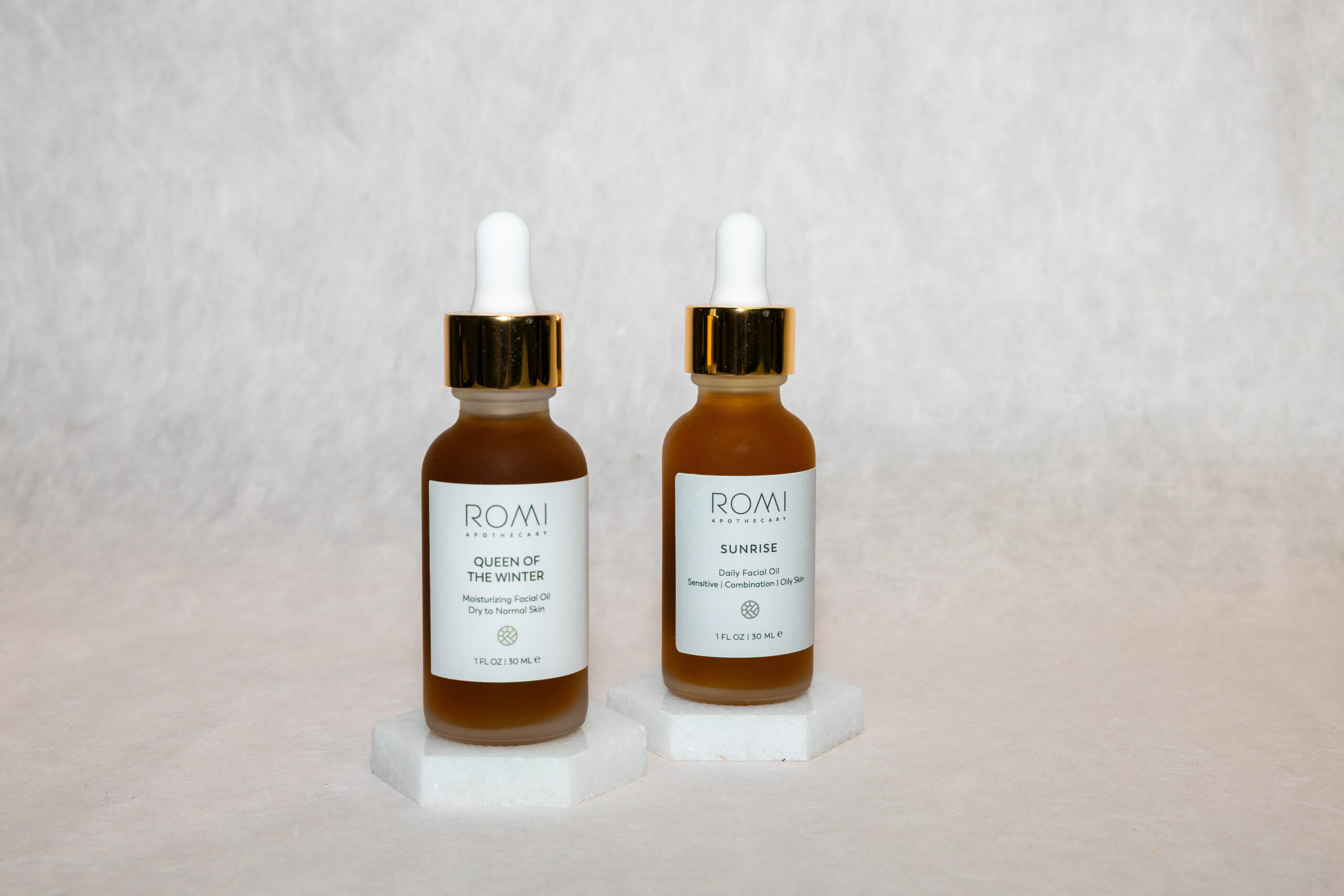
If oil (like the Queen of Winter) that felt perfect through winter now seems heavier than your skin wants, the layered approach offers several adjustment points before you need to change products entirely.
First, try using less. Your skin still benefits from those botanical infusions, from those protective fatty acids, just in a smaller amount because your own oil production is increasing with warmth.
If less oil still feels heavy, try adding more water first. Another layer or two of toner before you apply oil. Oil absorbs much more readily into well-hydrated skin. What feels like “too much oil” is often actually “not enough water underneath.” This is core principle in layered approaches – each layer supports the next, and adjusting ratios can solve what seems like a product problem.
If you’ve tried less oil and more water and it still feels heavier than your skin needs, this might be when trying a lighter oil (Sunrise with its hemp seed base) becomes relevant. The transition isn’t abandoning what served you through winter; it’s finding what serves this current moment when your skin’s needs have shifted.
Understanding that your needs shift daily:
Traditional systems never prescribed rigid routines. They emphasized flexibility, daily observation, adjustment based on current conditions. Some March mornings will still feel like deep winter and your skin will want winter’s full support – perhaps Reishi Tide for deep hydration plus Restore for intensive repair, sealed with Queen of Winter. Other mornings will feel like spring has arrived and your skin will ask for lighter touch – maybe just Elderflower toner multiple times with Brilliance Serum and a drop of Sunrise Oil.
Most mornings fall somewhere between, asking for adjustments within familiar structure. Maybe you use your usual products but add an extra layer of hydration. Maybe you reduce oil slightly but keep everything else the same. Small adjustments that honor what’s actually happening rather than forcing consistency when conditions themselves aren’t consistent.
This responsive flexibility is what allowed traditional approaches to serve people effectively across vastly different climates and constitutions. The framework was consistent – support natural processes through layered care – but application varied infinitely based on individual observation. The same principle serves now.
The Long Practice: Building Fluency Over Seasons
Traditional medicine systems understood that true skill develops over time, through repeated cycles of observation and adjustment, through accumulated experience of watching patterns unfold and learning to recognize them earlier each time they return.
This March you’re learning the practice of seasonal observation – what signals matter, what changes indicate adaptation occurring, how to distinguish between your skin asking for adjustment versus simply moving through natural transition that needs support but not intervention. Next March you’ll recognize these signals sooner. The texture change that puzzles you this year will be familiar next year. The shift in how Rose and Yarrow Toner absorbs that feels uncertain now will be expected information you trust and respond to readily.
Each seasonal transition you navigate by paying attention rather than following prescriptions adds to your fluency. Over years you develop genuine expertise in reading your particular skin in your particular environment under your particular conditions. You learn the difference between barrier compromise requiring repair and natural seasonal shedding that just needs gentle support. You recognize when products feel wrong because conditions shifted versus when something is actually problematic.
This accumulated knowledge stays with you. Products may change, formulations may evolve, trends will come and go. But your capacity to touch your face and understand what you’re feeling, to watch how products absorb and know what that means, to trust what your skin tells you through direct observation – this skill compounds over time. It deepens with practice. It becomes second nature.
The practice itself requires only a few minutes of genuine presence each day. Not going through motions while mentally planning your schedule. Actually paying attention. Touch your face and notice texture. Apply products and watch absorption. Check in throughout the day and observe how your skin responds to changing conditions.
This careful attention is ancient practice brought forward. The same observation that traditional systems developed over millennia, the same patience with natural processes, the same trust that bodies know how to adapt when properly supported. You’re part of that lineage when you slow down enough to notice what your skin is showing you.
March is shifting. Light is lengthening, temperatures are moving between patterns, your skin is responding to it all. The season is becoming what it will be, and your skin is becoming what it needs to be for these changing conditions. Can you notice what it’s showing you? Can you trust those signals? Can you support rather than force?
The information is already there, present in every texture, every absorption pattern, every shift you feel when you’re paying attention. Your skin speaks clearly. The practice is learning to listen ✨
The ROMI Apothecary Team
Related Reading:
- Surface Renewal: Understanding Exfoliation for Late Winter
- Going Deeper: Understanding Serums for Repair & Restore
- Rose: The Ancient Ally in Skincare
Products mentioned in this article:
You must be logged in to post a comment.