


How to Transition Your Skincare Routine Between Seasons
Transition your skincare routine between seasons—learn how to layer, mix, and adjust products as conditions change. Most people think of seasonal skincare as a switch. Winter products go in the drawer. Spring products come out. New routine, new chapter, clean slate.
But skin doesn’t work on a calendar. It works on conditions. Temperature, humidity, how much time you’re spending outdoors, whether the heat is still running at night, whether it snowed last week in a place that’s supposed to be warming up. Your skin responds to all of it, and the most effective skincare routines respond right along with it.
Transitioning your routine between seasons isn’t about replacing what you’ve been using. It’s about understanding how to use what you have differently, adjusting ratios, layering more thoughtfully, and letting your skin tell you what it needs rather than following a seasonal schedule someone else set.
Here’s how to actually do that.
Your Skin Changes Before the Season Does
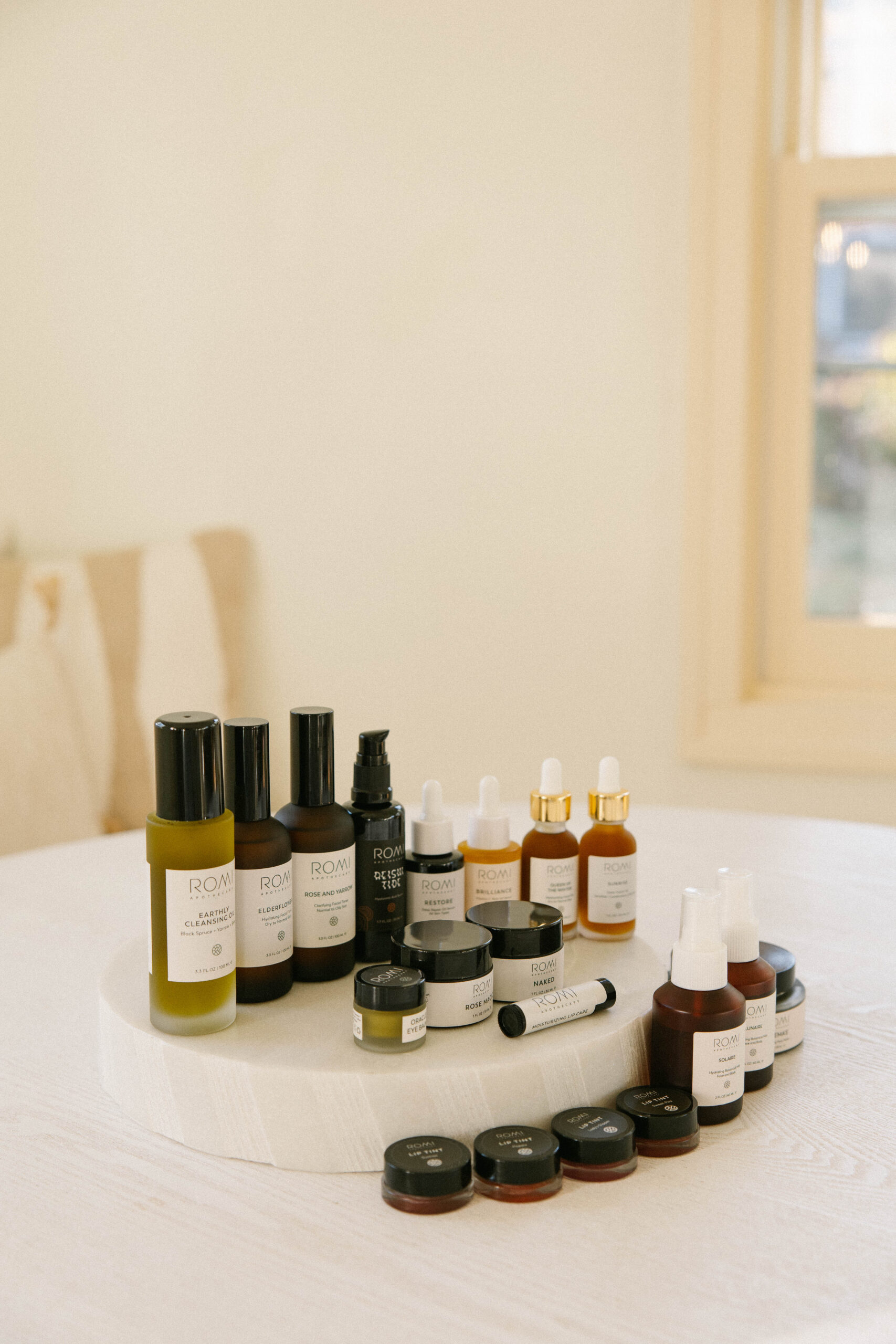
The first sign that your routine needs to shift usually isn’t dramatic. It’s subtle. Your facial oil absorbs a little more slowly than it did in January. A product that felt perfectly balanced in February starts feeling like a little too much. Your skin looks slightly more congested in areas that were fine all winter.
These are not signs that something is wrong. They are signs that your skin is recalibrating, responding to changes in temperature, humidity, and light that are already happening even if it doesn’t feel like spring yet.
Your sebaceous glands, which produce your skin’s natural oil, slow down significantly in cold weather. As temperatures rise, even gradually, they become more active. Your skin starts contributing more of its own protection. The external support it needed in January becomes proportionally less necessary.
The key word is proportionally. Not unnecessary. Just less.
This is where most people go wrong. They wait until their skin feels obviously wrong before adjusting, by which point they’re dealing with congestion or sensitivity that takes time to resolve. Or they overcorrect, stripping everything back at once and leaving their skin confused and reactive.
The better approach is to start adjusting before you feel like you need to, in small increments, one change at a time, in response to what your skin is actually showing you.
The Queen of the Winter Products Are More Versatile Than Their Name Suggests
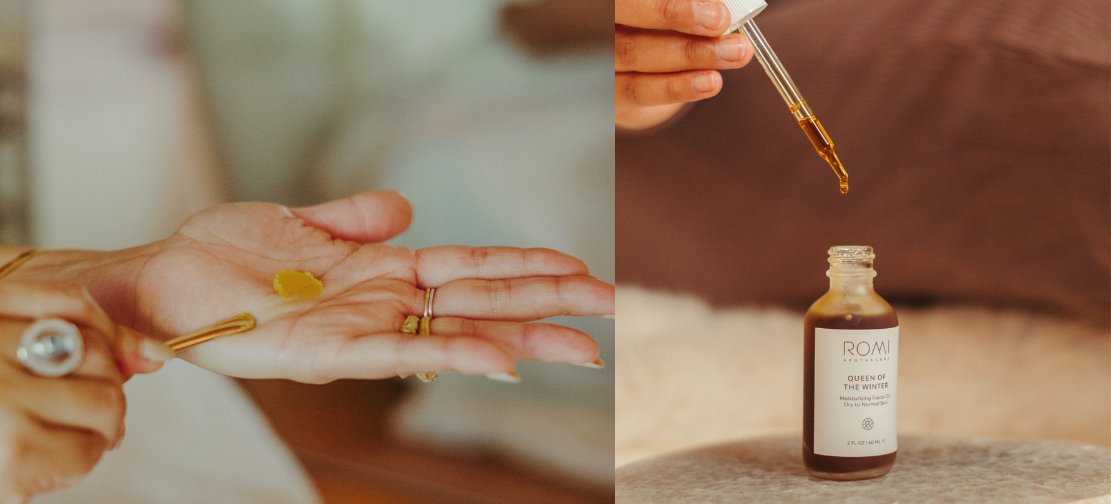
Let’s talk about what Queen of the Winter Oil and Queen of the Winter Balm actually are, because their name can make them feel more seasonal than they need to be.
Queen of the Winter Oil was born out of necessity for skin enduring cold and challenging weather in the upper Midwest. It is rich, emollient, and deeply protective, formulated with a botanical infusion of lavender, rose, elderflower, and helichrysum in jojoba, alongside cranberry seed, oat, buriti, and sea buckthorn oils. Marshmallow root adds soothing, softening properties. Jasmine and elemi give it warmth and depth.
In January, you might use a dime sized amount morning and night, pressing it generously into damp skin and following with the balm on harsh days. That’s the full winter expression of this oil.
In April, the same oil might show up as a few drops mixed into your toner before applying, or as an evening only ritual when your skin has been exposed to wind or cold. Or as a weekly treatment rather than a daily staple. Or layered under a lighter oil rather than used alone.
Queen of the Winter Balm follows the same logic. In deep winter it’s your final protective seal against the elements. As conditions soften, it becomes your targeted treatment for dry patches, your overnight intensive for skin that needs extra support, your answer to a cold spring morning before you head outside. A pea sized amount on the areas that need it, rather than all over the face every day.
Neither product has to leave your routine. They just play a different role as the season shifts.
Where Sunrise Oil Comes In
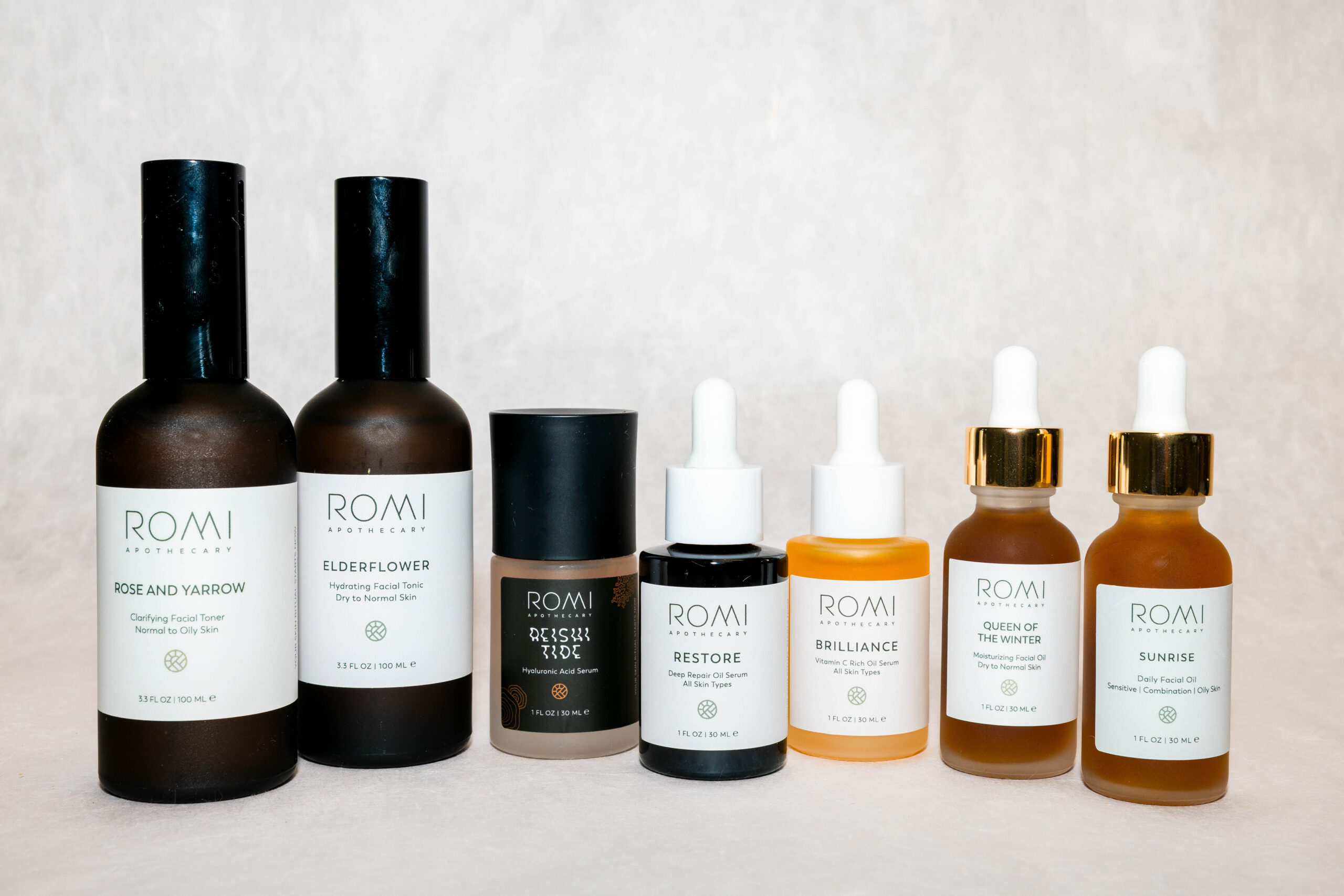
Sunrise Oil is the natural companion to Queen of the Winter Oil as conditions change. Where Queen of the Winter Oil is rich and protective, Sunrise Oil is lightweight, fast absorbing, and breathable. Formulated with hemp seed, meadowfoam, and St. Joan’s Wort alongside rosehip, red raspberry seed, and buriti, it nourishes without weight and balances without stripping.
Hemp seed oil in particular is well suited to skin that’s becoming more active in its own oil production. Its fatty acid profile balances rather than saturates, making it especially useful for oily and combination skin types who found Queen of the Winter Oil essential in winter but are now looking for something that moves with the season.
For drier skin types, Sunrise Oil works beautifully alongside Queen of the Winter Oil rather than replacing it. Use Sunrise Oil in the mornings when protection needs are lower and the day is warmer. Keep Queen of the Winter Oil for evenings, for cold days, for the nights when the heat is still running and your skin needs that extra layer.
You can also mix them. A few drops of each pressed together in your palms before applying creates a custom weight that sits between the two, useful for the in between days that spring specializes in, when it’s warm in the afternoon and cold by evening and your skin isn’t quite sure what to make of any of it.
How Toners Do More Work as the Season Changes
One of the most underutilized tools in a seasonal transition is the toner. Not as a standalone step but as an active part of how you layer and adjust everything else.
As temperatures rise and your skin becomes more active, increasing how much toner you use before your oil can make a significant difference in how the oil feels and performs. More water layered into the skin first means the oil goes on over a well hydrated surface and seals that hydration in rather than being the primary source of moisture itself. The oil can be lighter because the toner is doing more of the hydration work.
This is the essence of the layering philosophy that informs how ROMI Apothecary products are designed to be used. Water first, always, in as many layers as your skin wants to absorb. Oil to seal. As the season shifts, the ratio shifts too. More toner, potentially less oil, or a lighter oil, or both.
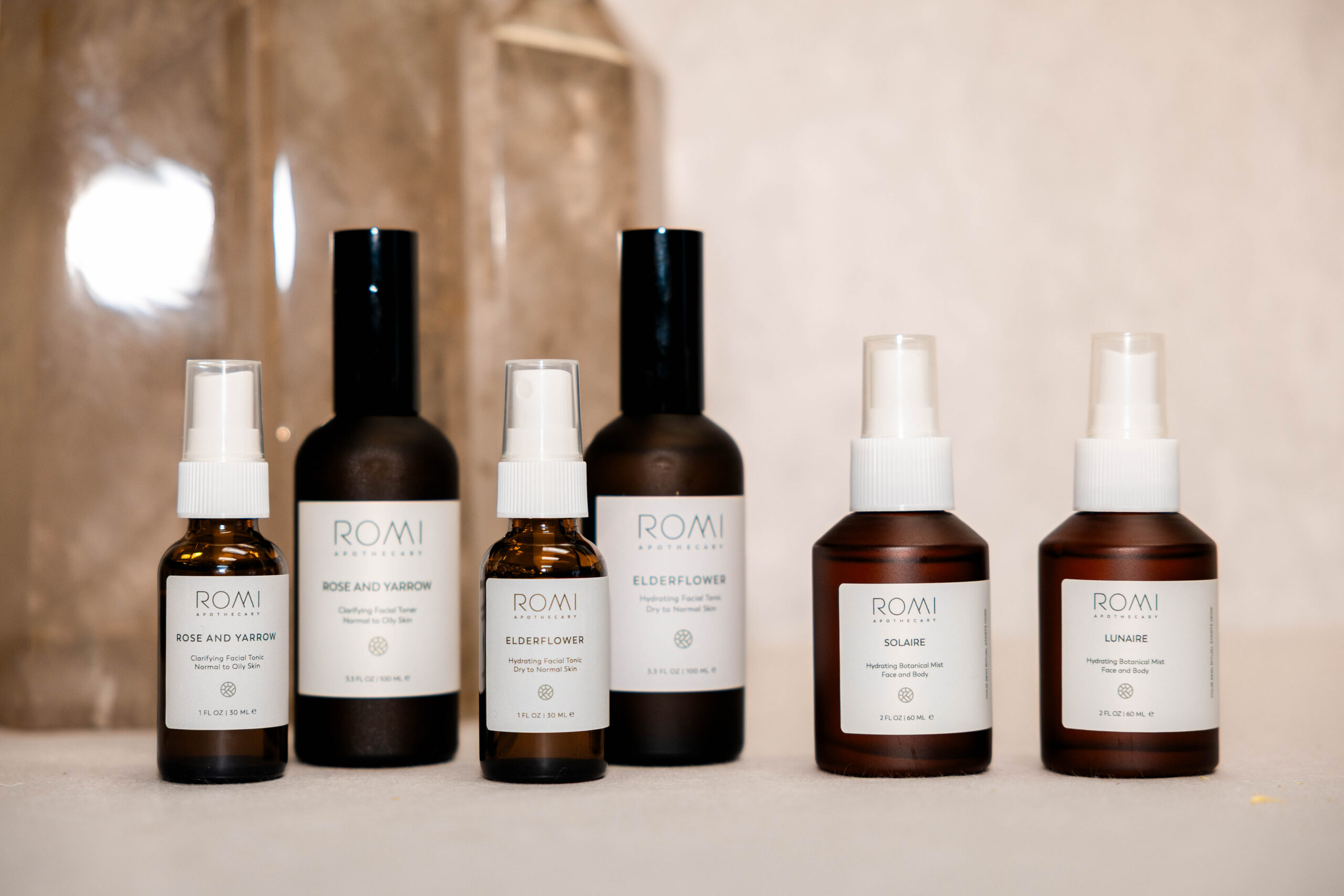
Rose and Yarrow Toner is particularly well suited to this moment for normal to oily skin types. Its gentle astringency becomes more welcome as sebaceous activity increases. Applied in two or three layers before your serum and oil, it prepares the skin beautifully for lighter products to follow.
For dry to normal skin types, Elderflower Toner continues to provide the deep hydration that dry skin needs year round, with its neroli, lemon balm, and elderflower base offering a softness and lift that suits spring particularly well.
Lunaire and Solaire work beautifully as mid layer mists throughout the transition, spritzing between oil layers or over a finished routine to add hydration without disrupting what’s already there. Lunaire‘s ponderosa pine and lavender base grounds and restores. Solaire‘s cucumber and mint instantly cools and refreshes, increasingly useful as warmer days arrive.
A Practical Framework for Transitioning

Rather than thinking about when to switch your routine, think about what your skin is telling you and adjust one thing at a time in response.
Start by observing. Before changing anything, spend a week paying attention. Is your oil absorbing as readily as it did in January? Is your skin feeling balanced throughout the day? Is anything starting to feel like too much? These observations are your data.
Then adjust the ratio before adjusting the product. If Queen of the Winter Oil feels slightly heavy, try using less of it before reaching for something new. Or add an extra layer of toner before applying it. Or switch it to evenings only while trying Sunrise Oil in the mornings. Small shifts reveal a lot.
Introduce one change at a time. If you want to bring Sunrise Oil into your routine, start on mornings when the weather is mild and your skin feels balanced. Notice how it responds over a week before adjusting further. Adding multiple new products or removing multiple existing ones at the same time makes it impossible to know what’s actually working.
Keep water central. Regardless of which oil you’re using or how your routine evolves, the principle of layering water before oil remains constant. As conditions change, let the toner do more work. More layers of toner before sealing with oil is often all the adjustment your routine needs.
Trust the signals your skin sends. Slower oil absorption, slight congestion, and products sitting on the surface rather than absorbing are all signs to lighten up. Tightness, sensitivity, and skin that feels stripped are signs you’ve lightened too much too fast. Both are useful information. Neither is a crisis.
The Routine That Works in Every Season

The most effective skincare routine isn’t the one designed for a specific season. It’s the one flexible enough to respond to what the season is actually doing.
Consider how this might look across a full year. In the depths of January and February, Queen of the Winter Oil is rich and generous, applied morning and night to damp skin, with Queen of the Winter Balm as a full face seal against cold wind and dry indoor air. Toners lay the hydration foundation before every layer.
By March, you start to notice the oil absorbing a little more slowly. You begin adding an extra layer of toner before applying, using slightly less oil, paying closer attention to what your skin is telling you. The balm moves to evenings and cold days rather than every morning.
April brings Sunrise Oil into the morning routine while Queen of the Winter Oil settles into its evening role. Some days you mix them, a few drops of each pressed together in your palms, finding the weight that matches the day. The toners are doing more work now, layered more generously before lighter oils seal them in.
Through May and into June, Sunrise Oil carries more of the daily routine as temperatures climb and sebaceous activity increases. Queen of the Winter Oil becomes a weekly treatment, an evening ritual, the thing you reach for when the air conditioning is running and your skin feels more parched than the season suggests it should. The balm stays nearby for dry patches and overnight support.
In the height of summer, your routine is lighter overall but not absent of depth. Sunrise Oil in the mornings, a toner or two throughout the day, perhaps Reishi Tide Hyaluronic Acid Serum as the humidity shifts. Queen of the Winter Oil on the nights when your skin asks for it, which it will, because skin has its own rhythms that don’t always match the calendar.
Come September and October, the Queen of the Winter products begin returning to their fuller role. The air is drying out again. The heat is coming back on. You reach for the balm on the first truly cold morning and remember why you loved it. By November you are back to the full winter expression of the routine, and the whole cycle begins again.
This is what it means to have a seasonal skincare practice rather than a seasonal skincare switch. The products stay. The approach evolves. And your skin, which has been navigating conditions your whole life, gets to be the guide.
The ROMI Apothecary Team
Related Reading:
- Gua Sha, Dry Brushing, and the Lymphatic System: A Practice for Clearer, Brighter Skin
- What Actually Creates Glowing Skin
- Water for Your Skin – The Complete Guide to Toners
Products featured in this article: