

Rooted — The Philosophy Behind ROMI Apothecary’s Botanical Sourcing
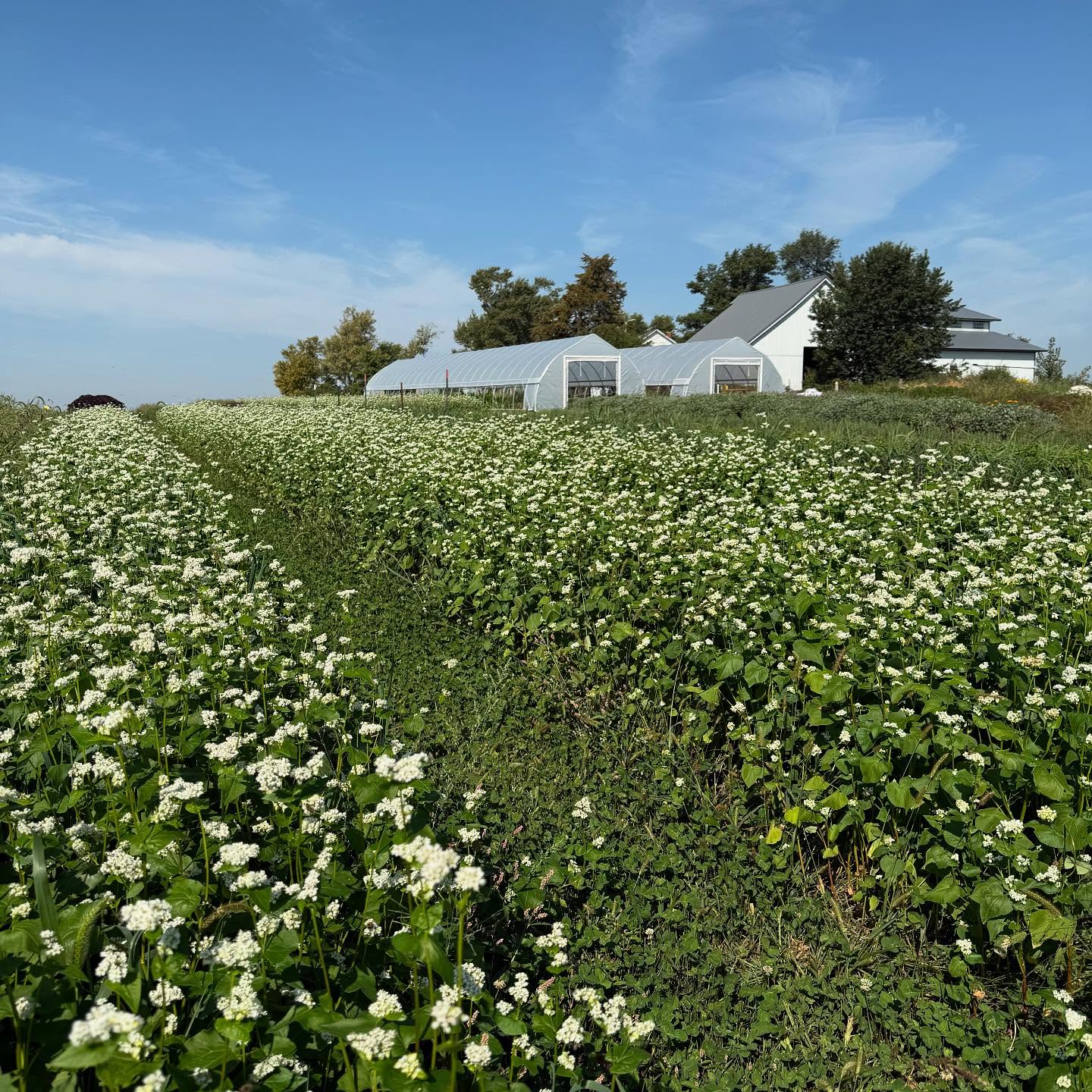
In 2015, Romina was working as an occupational therapist in Minnesota, burned out and searching for something that felt genuinely alive. She found it in plants. In botanical sourcing from local land, learning their Latin names and their histories, alchemizing them into skincare in her own kitchen, and discovering through that daily practice a relationship with nature she hadn’t known she was missing. That kitchen was where ROMI Apothecary began. The Great Lakes bioregion is still where it lives today.
The words “clean,” “natural,” and “botanical” appear on skincare products everywhere now, layered so thick they’ve started to feel like wallpaper. None of them are regulated terms. A brand can put them on packaging without meeting any particular standard, without being able to tell you where a single ingredient came from or how it was grown. This piece is our attempt to explain what those words actually mean to us, in specific and honest terms, because we think you deserve to know.
Why Farmer Relationships For Botanical Sourcing Are at the Center of Everything
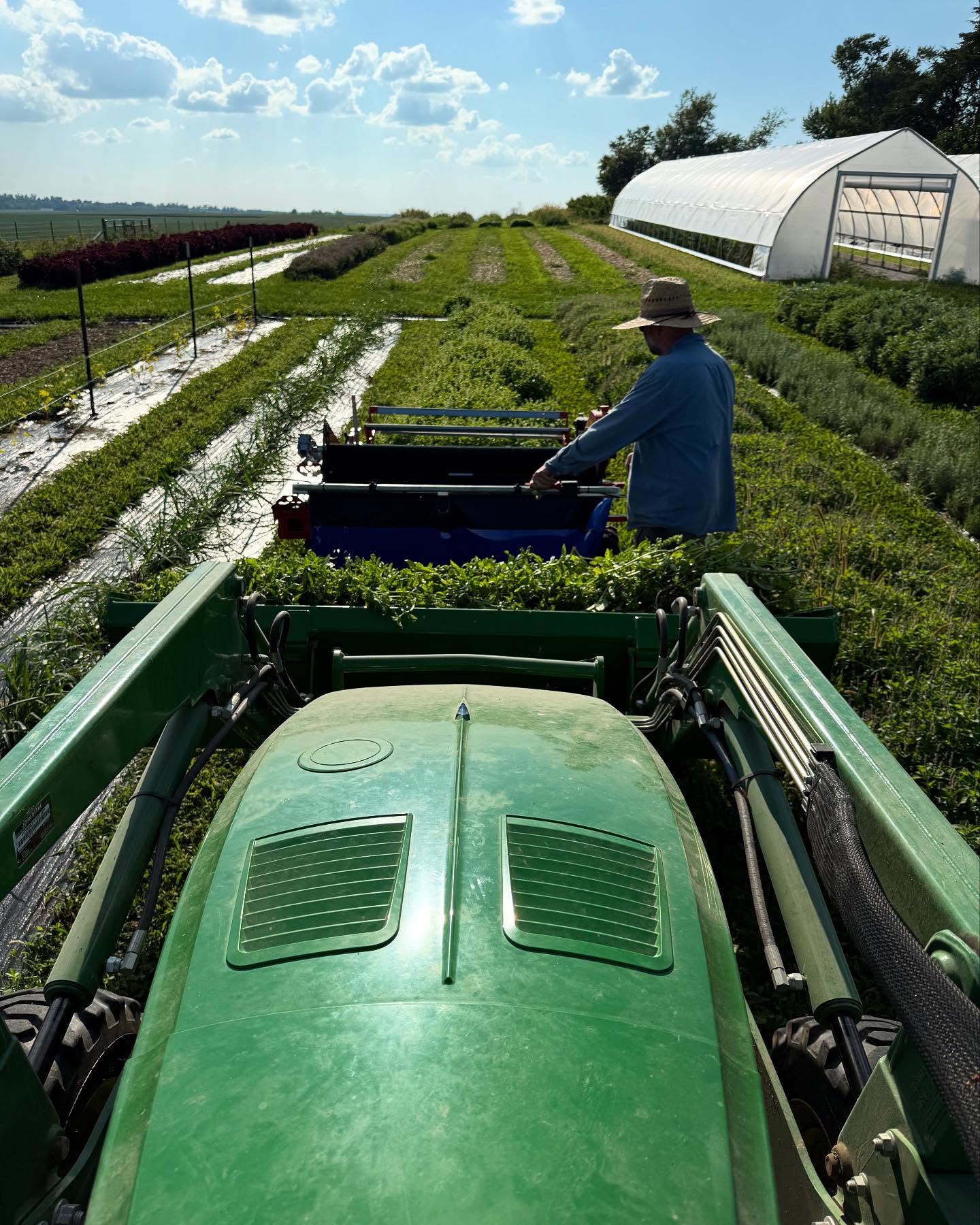
The most direct answer to the question of where our ingredients come from is this: most of them come from farmers we know personally. Not from commodity suppliers or wholesale distributors. From people who have built their lives around growing medicinal plants with care and intention, in the bioregions where those plants naturally thrive.
LuAnn Raadt at Cannon Valley Herbals is one of those people. She tends a medicinal herb garden on an organic farm in Northfield, Minnesota, growing with the kind of warmth and passion that makes you understand immediately why someone would devote their life to this work. LuAnn approaches her land as a steward, not an extractor. The herbs she grows carry that quality.
Emma Barber at Rhubarb Botanicals is a community herbalist, farmer, massage therapist, and dance artist who recently moved to East Central Iowa with her partner Jeremy to tend new land and grow beautiful medicinal herbs. Emma’s connection to the plants she grows is real and palpable, and her growing practices are thoughtful and careful. We are also, it should be said, deeply fond of her fire cider. Many of the herbs in ROMI Apothecary products carry Emma’s fingerprints.
When you use a ROMI Apothecary product containing calendula, elderflower, yarrow, or any of the other Great Lakes botanicals, you’re working with plants that were tended by someone who genuinely loves them.
These relationships didn’t happen overnight. They were cultivated over years of conversation, shared values, and mutual trust. When we talk about “small farmer friends in our bioregion,” we mean people we actually know and genuinely admire. It means we can tell you the farm name, the town, the growing philosophy, because we’ve been in real conversation with the people responsible for the plants that go into our formulas.
Why We Choose Cultivation Over Wildcrafting
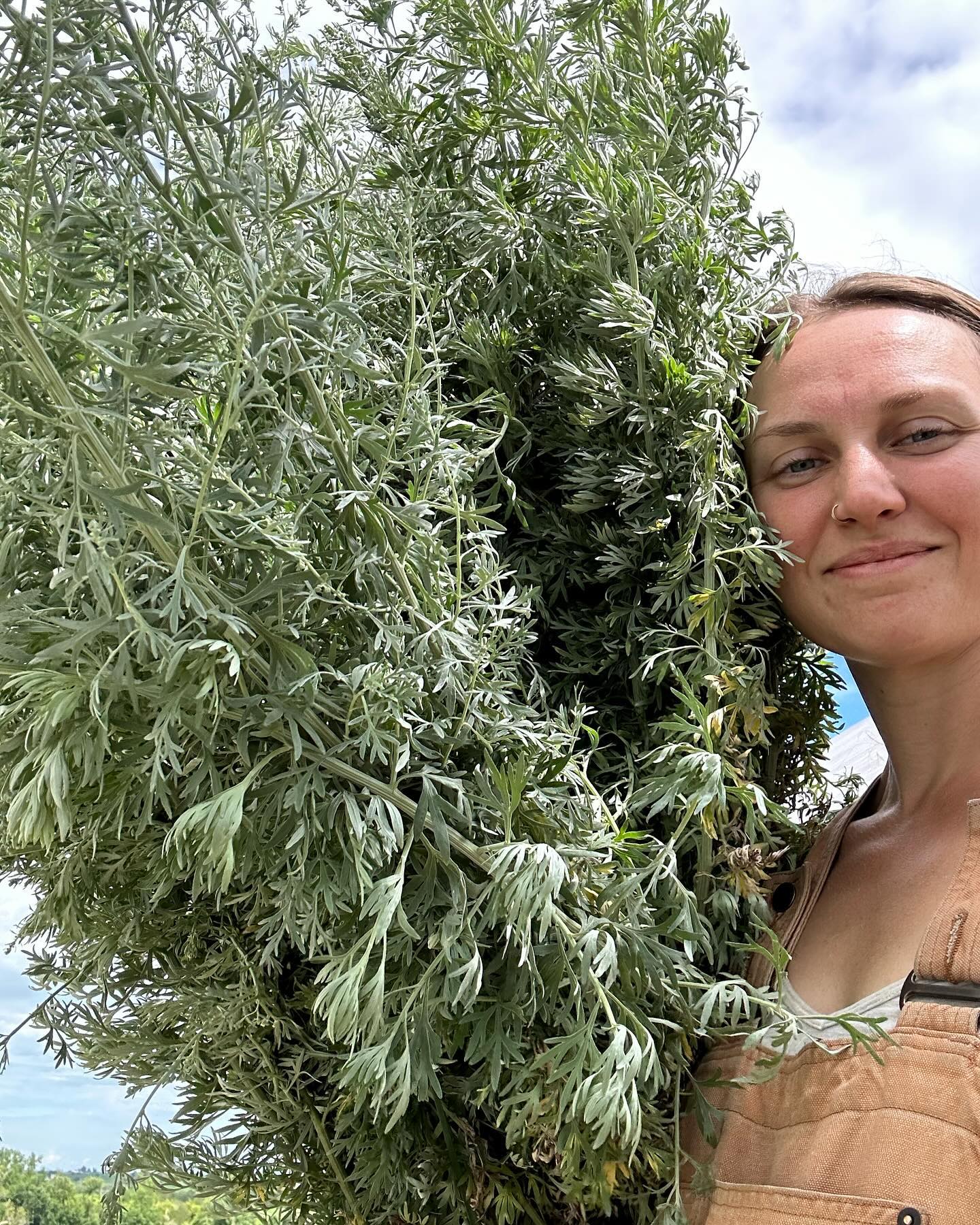 There is something genuinely beautiful about wildcrafting. The image of gathering plants from their natural habitat, learning their habitats and seasonal patterns, and the particular hillsides and stream banks where they prefer to grow, carries a romance that is not entirely unearned. For personal practice, at personal scales, sustainable wildcrafting is a meaningful and valuable way to work with plants and to do your own botanical sourcing.
Commercial production for botanical sourcing is a different thing entirely.
Native plant populations and the animal populations that depend on them simply cannot sustain the level of harvesting required to produce products for a growing business. This is not a theoretical concern. It’s a documented ecological reality. Many of the plants most beloved in botanical skincare and herbal medicine have been significantly pressured by wildcrafting demand. Goldenseal, black cohosh, American ginseng, bloodroot: these are native plants whose populations have declined meaningfully in part because of commercial harvesting. The ecosystems of the Great Lakes bioregion are living, complex, irreplaceable systems, and those systems include far more than the plants humans find useful.
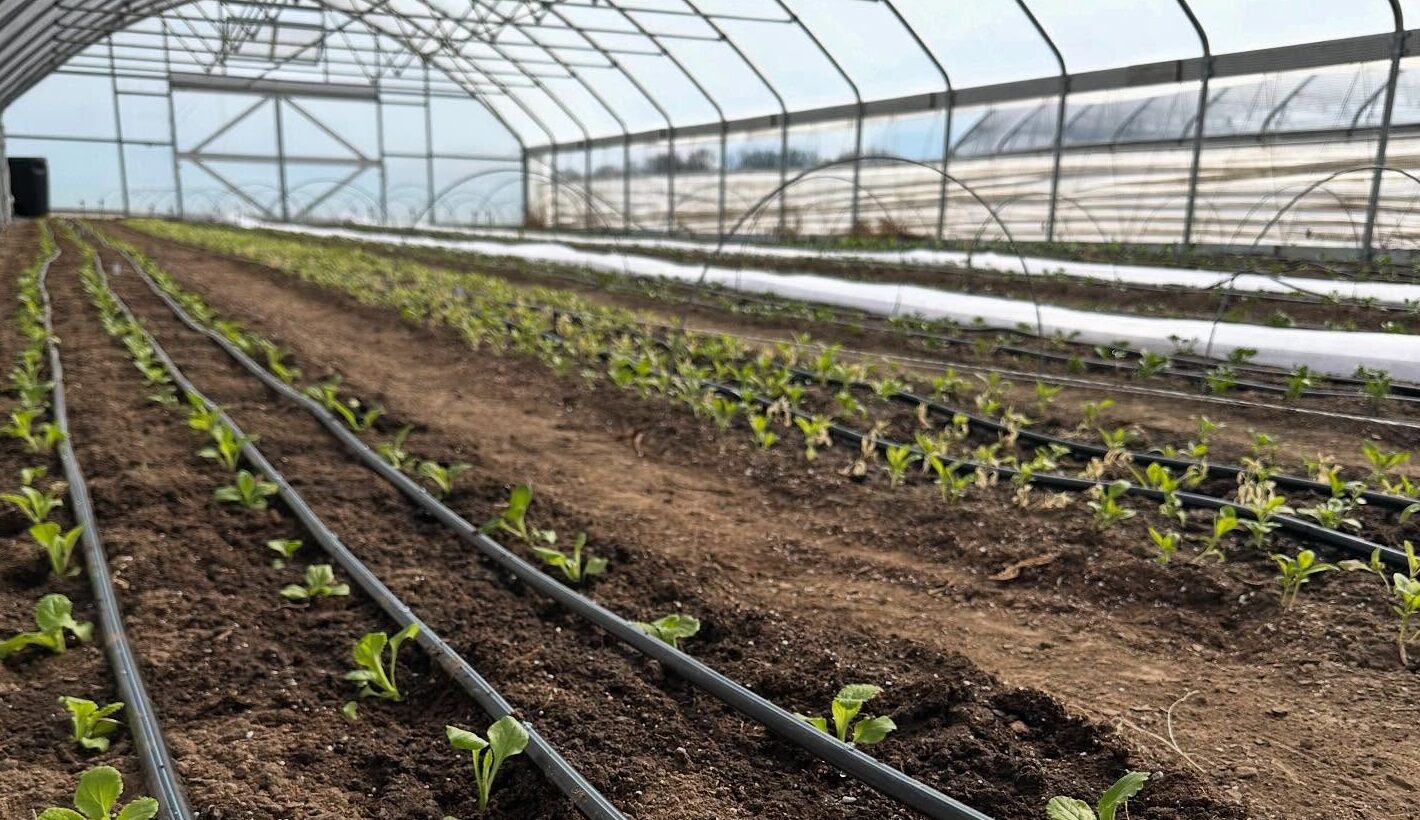
So we made a deliberate choice. We source our herbs from farmers using permaculture, biodynamic, and organic approaches, people who are actively building soil health, supporting biodiversity, and tending land with genuine long-term ecological thinking. Our farmers grow their herbs without synthetic pesticides, herbicides, or fertilizers. We trust them to care for their land the way we trust ourselves to care for yours.
This is part of what sustainability actually means in practice. Not a certification, not a label claim, but a sourcing decision made consciously and held consistently, because we care about the ecosystems we are part of and we take that responsibility seriously.
From Sea and Volcanic Soil: Ingredients Beyond the Great Lakes
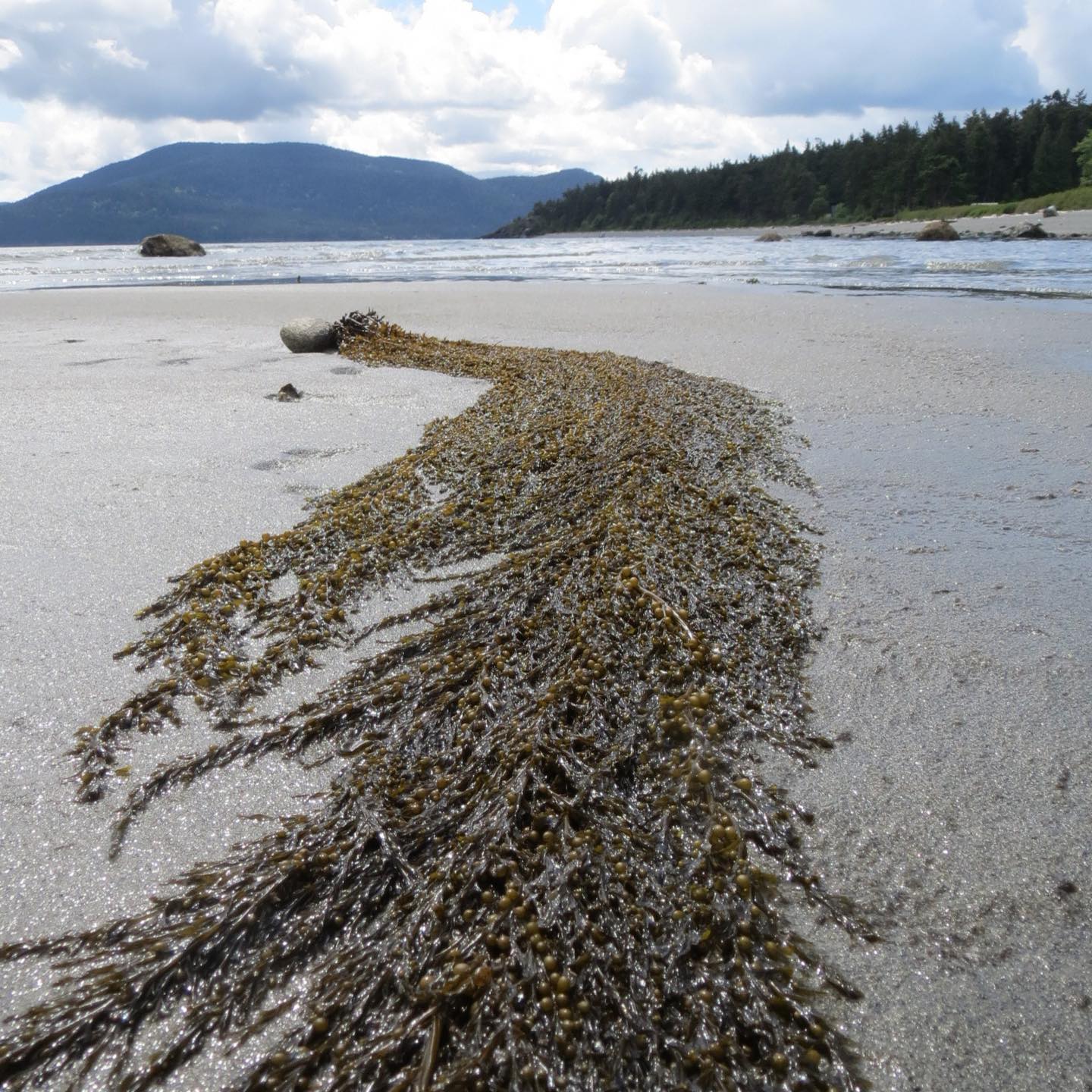 Not everything we work with comes from the Great Lakes bioregion, and some of our most beloved ingredients could not come from anywhere else but where they do.
Kristy at Mermaid Botanicals sustainably hand-harvests red algae on the coasts of Orcas Island in the Pacific Northwest. She dries it with Pacific coast sunshine and wind, approaching the natural world with deep reverence and an expert knowledge of sea vegetables and sustainable marine harvesting practices. The cold, mineral-rich waters of the Pacific Northwest create conditions that shape this red algae in specific and meaningful ways. Kristy’s relationship to the ocean ecosystems she harvests from is one of genuine care and careful attention. The red algae from Mermaid Botanicals goes into our Reishi Tide Hyaluronic Acid Serum, bringing the mineral density of those cold Pacific waters directly to your skin.
Moringa and spirulina in our Ma’ema’e Exfoliating Face Polish are grown in Hawai’i, on the Big Island, where volcanic soil and the particular warmth and light of the island create growing conditions that are simply not replicable anywhere else. The mineral richness of volcanic earth, the specific quality of Hawaiian sunshine, these are real factors in what these plants become. Moringa grown on the Big Island is a different thing than moringa grown elsewhere, shaped by the place it comes from.
Ma’ema’e means “to cleanse” in Hawaiian. The formula was inspired by Romina’s own upbringing in Honolulu, where she grew up immersed in the plants, flavors, and culture of the islands. The Hawaiian roots of this formula are personal as much as they are botanical. That origin matters to how we source and why.
What Certified Organic Actually Means on Our Labels
“Organic” is a word that gets used loosely in the beauty and wellness world. When it appears on a certified ingredient, however, it has a specific, and regulated meaning: grown without synthetic pesticides, herbicides, or fertilizers, verified by an accredited third-party certifying body to meet defined standards. It is not a vague lifestyle claim. It is a documented, audited practice with a paper trail.
When you see “certified organic” called out on a ROMI Apothecary ingredient, it means exactly that. We note it at the ingredient level rather than making blanket claims about entire formulas, because blanket claims obscure more than they reveal. A product labeled “made with organic ingredients” might contain only a small percentage of certified organic material. We want you to be able to see the difference between certified organic ingredients and those that are sustainably grown and harvested but not formally certified, because that difference is real and it matters.
Some ingredients don’t carry organic certification, not because they were grown with harmful practices, but because certification infrastructure doesn’t exist for all ingredient types in all regions. Our red algae from Mermaid Botanicals, for example, is sustainably hand-harvested from wild Pacific waters, which is a different category than farm cultivation. The certification system was designed for agriculture. It doesn’t map perfectly onto every type of botanical sourcing. This is worth knowing when you’re reading labels anywhere, not just ours.
What we can tell you is that we trust our farmers. We have relationships with them. We know their names, and their practices, and their land. That trust is built on years of direct contact, not on a certificate alone.
Why Latin Botanical Names on an Ingredient List Matter
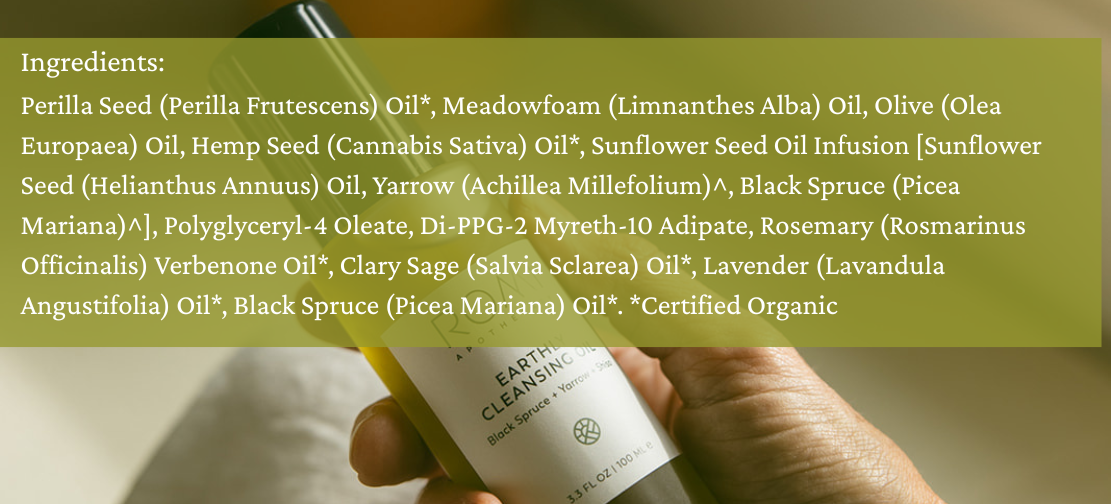
While you are reading ingredient lists, there is one more thing worth looking for: Latin botanical names.
You will see them throughout ROMI Apothecary ingredient lists. Lavandula angustifolia alongside “Lavender.” Calendula officinalis alongside “Calendula.” Rosa canina alongside “Rosehip.” Sambucus nigra alongside “Elderflower.” This is intentional, and it says something specific about how we think about our formulas.
Common plant names are not precise. “Lavender” can refer to several different species with meaningfully different properties, different chemistry, and different histories of traditional use. Lavandula angustifolia is a specific plant, the one most extensively documented in traditional herbalism for its calming properties. Lavandula latifolia is a different plant with a sharper, more camphorous character. “Lavender” tells you almost nothing. Lavandula angustifolia tells you exactly what you’re working with and why.
In traditional herbalism and professional botanical medicine, Latin names are standard because precision matters. Herbalists are trained to think in Latin names because they are the names that don’t change across languages, regions, and common naming conventions. When a skincare brand includes botanical names throughout their ingredient lists, it means someone in the formulation process actually knows what they’re working with. It’s one of the simplest and most honest markers of real botanical knowledge rather than botanical marketing.
Next time you pick up a skincare product, look for the Latin names. The more you see them, the more confident you can feel about the level of care that went into what you’re putting on your skin. Ours are all on each product page of our website.
Earth Made into Ritual: The Botanical Sourcing of Ma’ema’e Exfoliating Face Polish
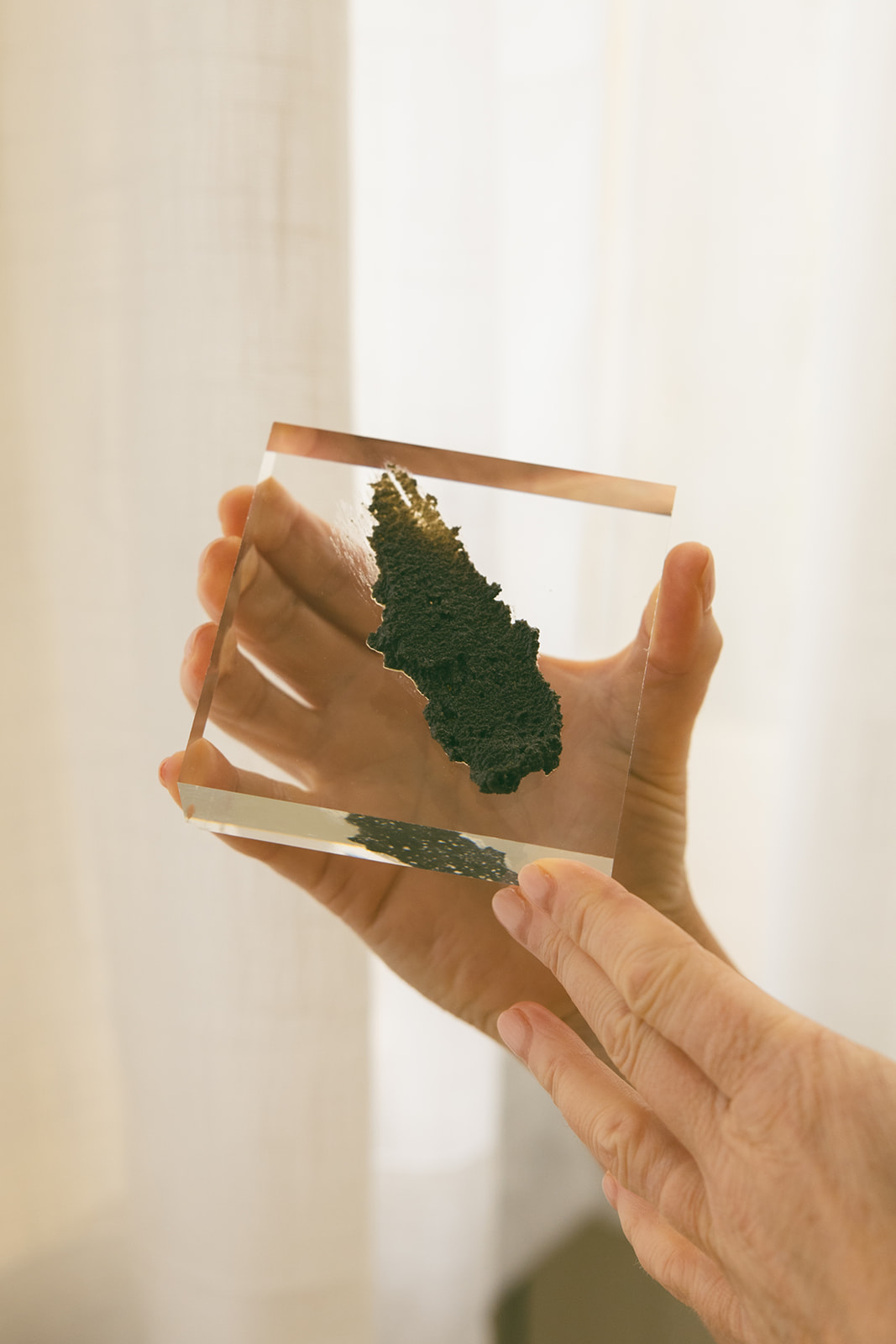
If there is one product in the ROMI Apothecary line that brings together everything in this botanical sourcing philosophy, it is Ma’ema’e Exfoliating Face Polish.
Freshly harvested moringa leaf from the Big Island of Hawai’i. Pacific Ocean spirulina. Hibiscus flower, shade-grown matcha, kaolin clay from the earth, finely milled lavender, oat, rose, and rice bran. Raw honey from a small Minnesota apiary. Perilla seed oil for slip. Whole lavender and rose petals that are milled right in our studio. Every ingredient is here for a reason, sourced from a specific place, chosen because it belongs in this formula.
The moringa, spirulina, hibiscus, and matcha together deliver a remarkable concentration of phytonutrients. B vitamins, beta carotene, amino acids, and vitamin K arrive together in a formula that genuinely feels like the earth in your hands. The kaolin clay draws out impurities and refines texture. The milled lavender, oat, and rose smooth and soothe. The honey provides gentle cleansing qualities and a subtle sweetness that balances the mineral character of the formula. The particle size is triple-filtered and ultra-fine, creating genuinely thorough exfoliation without ever being harsh.
The scent is subtle and mineral, a little like the ocean, with a soft floral note from the whole petals milled into the base. The skin comes out smooth, lightly moisturized, and brighter.
Romina grew up in Honolulu. Ma’ema’e means “to cleanse” in Hawaiian. This formula carries that origin in everything it is and everything it does.
How to use it: add a generous amount of water or your favorite hydrosol directly to the product, massage gently onto damp skin, and rinse. Your serums and oils will absorb more effectively afterward. Once a week is a good starting point for most skin types.
The Standard Worth Holding
One of the most useful things you can do as a skincare consumer is get comfortable reading ingredient lists. Not because you need to become an expert in cosmetic chemistry, but because an ingredient list tells you a great deal about how a brand thinks.
Does it tell you something specific? Are the botanical ingredients identified by their Latin names? Does the brand talk openly about where its ingredients come from and why? Are certifications noted at the ingredient level rather than made as blanket claims about the entire product?
These are the questions worth asking of any brand, including ours. We try to make our ingredient lists as readable and specific as we can because we believe you should be able to see exactly what you’re putting on your skin. We note certifications where they exist. We include botanical names throughout. We name our farmers and tell their stories because they are a real and essential part of what makes these products what they are.
No botanical sourcing story is without compromise. Supply chains are complicated. Certification systems are imperfect. We don’t claim otherwise. What we can say is that our botanical sourcing decisions are made with genuine care for the plants, the land, the farmers, and the people who use what we make. That care is the through-line, the thing that connects the volcanic soil of the Big Island to the medicinal herb garden in Northfield, Minnesota, to the red algae drying on the coast of Orcas Island, to the product in your hands.
The earth is generous when you pay attention to it. We try to pay attention. 🌿
-The ROMI Apothecary Team